Architecture and Community: Designing Projects That Integrate Living, Work, and Lifestyle

Óscar Díaz Díaz
For years, urban development has been based on the separation of functions: living in one place, working in another, and accessing services somewhere else. While this model was once effective, it is becoming increasingly outdated in the face of more dynamic and connected ways of living.
Today, architecture faces a different challenge: designing projects that integrate multiple dimensions of life within a single environment. It is no longer just about constructing buildings, but about creating communities.
From Isolated Uses to Integrated Systems
Contemporary developments are evolving toward more integrated models, where residential, work, commercial, and leisure functions coexist within the same project.
This shift is driven by:
- More flexible work dynamics.
- A growing emphasis on proximity and time efficiency.
- The desire for more complete, everyday experiences.
Architecture moves from organizing separate uses to connecting activities and creating urban continuity.
Designing Beyond the Building
In projects of this nature, the focus is no longer on individual buildings, but on the overall system. The key lies in how different elements relate to each other and how a coherent experience is created.
This involves considering:
- Transitional spaces that connect different uses.
- Circulation paths that encourage interaction.
- Gradients between public, semi-public, and private areas.
Design shifts from a collection of isolated pieces to an interconnected system.
Community as a Design Strategy
Community does not emerge by chance. It is the result of deliberate design decisions.
Key factors include:
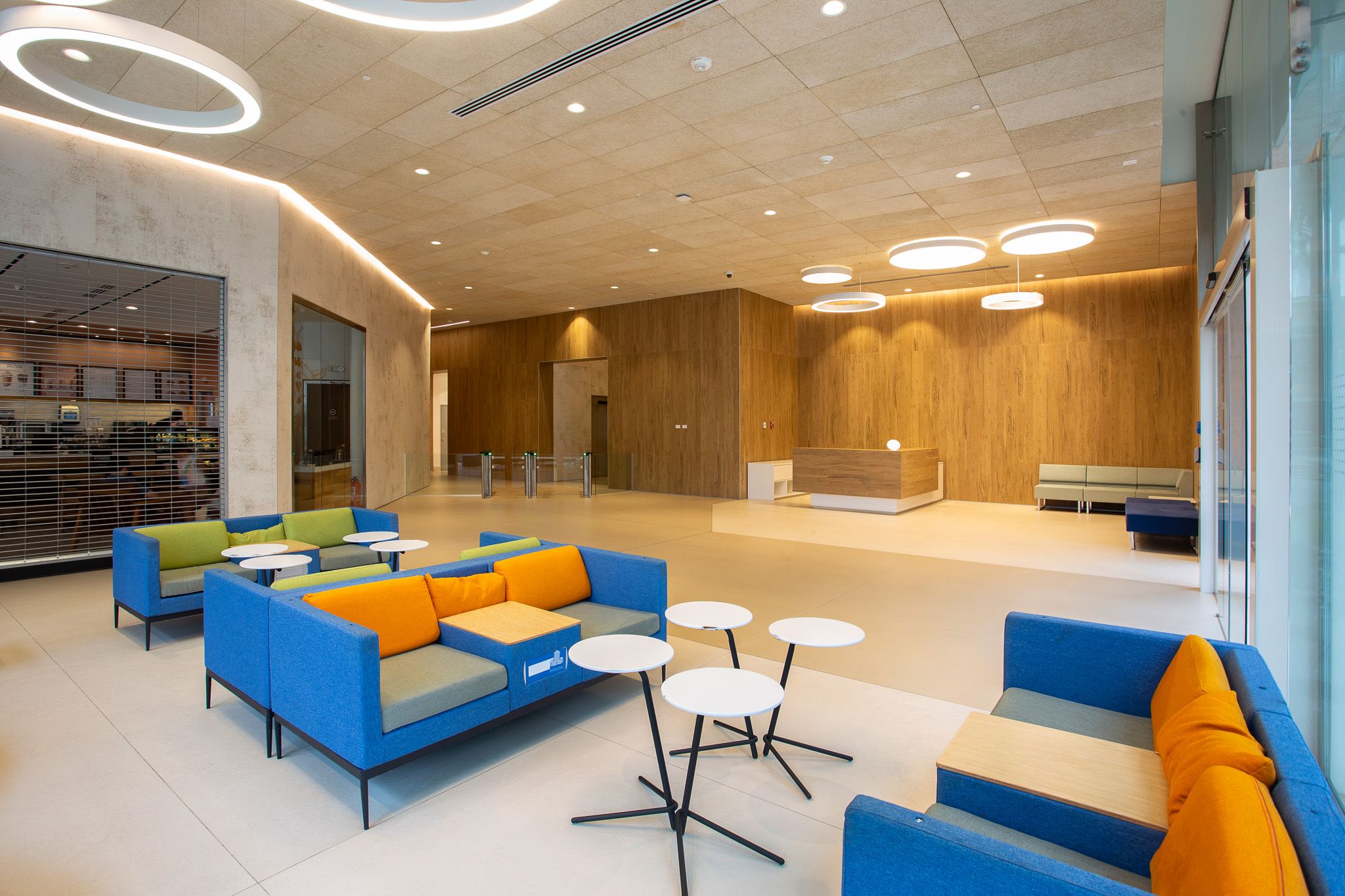
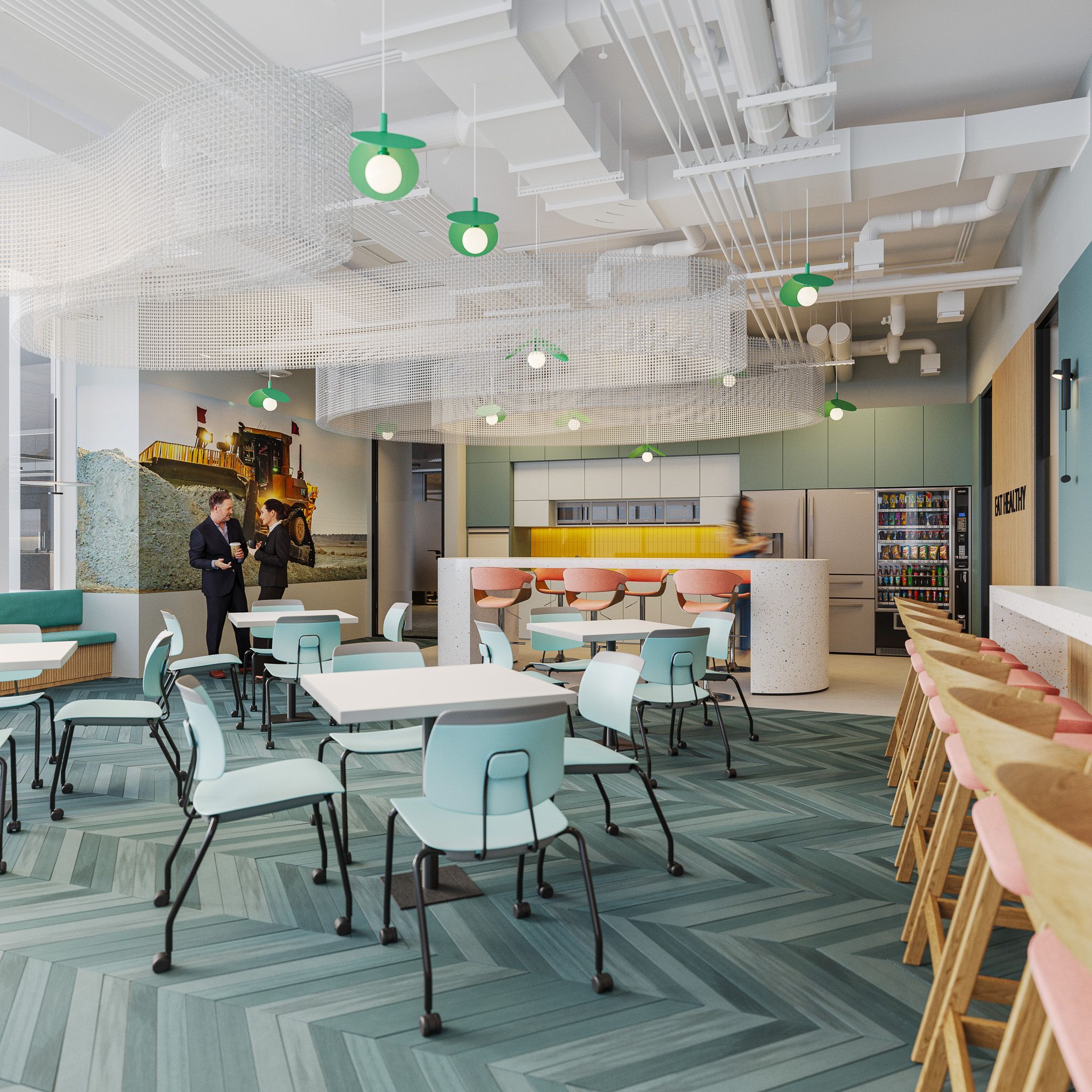
- Shared spaces that invite people to stay and interact.
- Human-scale design in common areas.
- A mix of uses that activates the environment throughout the day.
When these elements are properly integrated, the project evolves from a group of buildings into a living environment.
Spaces That Support New Ways of Living
The rise of hybrid work and evolving daily habits has transformed how spaces are used.
Today, a single environment can accommodate:
- Work-related activities.
- Residential life.
- Social interaction and community engagement.
Designing for this diversity requires recognizing that boundaries between functions are increasingly blurred. Architecture must respond with solutions that enable coexistence and adaptability.
The Real Estate Value of Community
Projects that successfully integrate community not only enhance quality of life but also create stronger and more sustainable real estate value.
This translates into:
- Greater appeal across different user profiles.
- Longer-term occupancy and retention.
- Differentiation from conventional developments.
Community becomes a strategic asset, not just a social feature.
The Challenge of Coherence
One of the main challenges in these developments is maintaining coherence while integrating multiple uses.
Without a clear vision:
- Spaces can become fragmented.
- The identity of the project can be diluted.
- The user experience becomes inconsistent.
This is where architecture plays a crucial role as the element that organizes, connects, and gives meaning to the project as a whole.
Designing Environments, Not Just Buildings
The most important shift in these types of developments is conceptual. It is no longer about designing individual pieces, but about creating environments capable of supporting a way of life.
This requires:
- Understanding the project as a system.
- Thinking in the long term.
- Prioritizing user experience at the scale of the whole, not just each component.
In a context where cities are striving to become more efficient, connected, and livable, this approach stands out as one of the most relevant directions in contemporary architecture.
Related News