Designing with a Future Vision: How to Create Projects That Adapt to Growth

Óscar Díaz Díaz
One of the most common mistakes in architecture is not related to design itself, but to the time horizon with which a project is approached. Too often, spaces are designed to solve immediate needs without considering how they will need to evolve over time.
However, projects are not static. Companies grow, shift their dynamics, incorporate new teams, and transform the way they operate. In this context, designing with a future vision is not optional, but a strategic decision.
The problem of designing only for the present
When a project is conceived solely to address current needs, it often leads to medium-term limitations:
- Spaces that become too small too quickly
- Difficulties in reorganizing teams or functions
- Costly and invasive future interventions
These situations are rarely the result of poor execution, but rather a lack of foresight during the design phase.
##Thinking in scenarios, not a single solution
Designing with a future vision requires moving beyond a single spatial configuration and starting to work with possible scenarios.
This does not mean oversizing the project, but anticipating how it may evolve:
- Team growth
- Changes in organizational structure
- New technological needs
- Different ways of using the space
When design incorporates this logic, the project gains resilience and adaptability.
Flexibility as a foundation of design
Flexibility is not an accidental outcome, but a deliberate decision from the beginning of the project.
At an architectural level, this translates into:
- Layouts that allow reconfiguration without major construction
- Accessible and adaptable technical systems
- Spaces that can accommodate different uses over time
The goal is not to create neutral spaces, but to design structures that can transform without losing coherence.
Growing without disrupting what already exists
One of the biggest challenges in growing projects is ensuring that each expansion does not create friction with what has already been built.
When there is no initial planning:
- Expansions feel like “add-ons”
- Spatial and functional coherence is lost
- Adaptation costs increase progressively
On the other hand, when growth is considered from the design stage, the project can evolve naturally, maintaining its logic and identity.
The role of architecture in business growth
In corporate projects, architecture has a direct impact on how a company grows and organizes itself. A well-conceived space facilitates the integration of new teams, improves operations, and reduces internal friction.
In this sense, design does not only respond to a physical need, but acts as an infrastructure that supports the evolution of the business.
Designing today for what does not yet exist
One of the greatest challenges—and at the same time one of the greatest values—of architecture is its ability to project scenarios that have not yet happened.
Designing with a future vision means embracing a certain level of uncertainty and turning it into a guiding principle:
- Making decisions that do not limit growth
- Preparing the project for future adaptations
- Understanding that the use of space will change over time
This approach allows for the creation of more durable, efficient, and change-ready projects.
An example of flexibility in workspaces
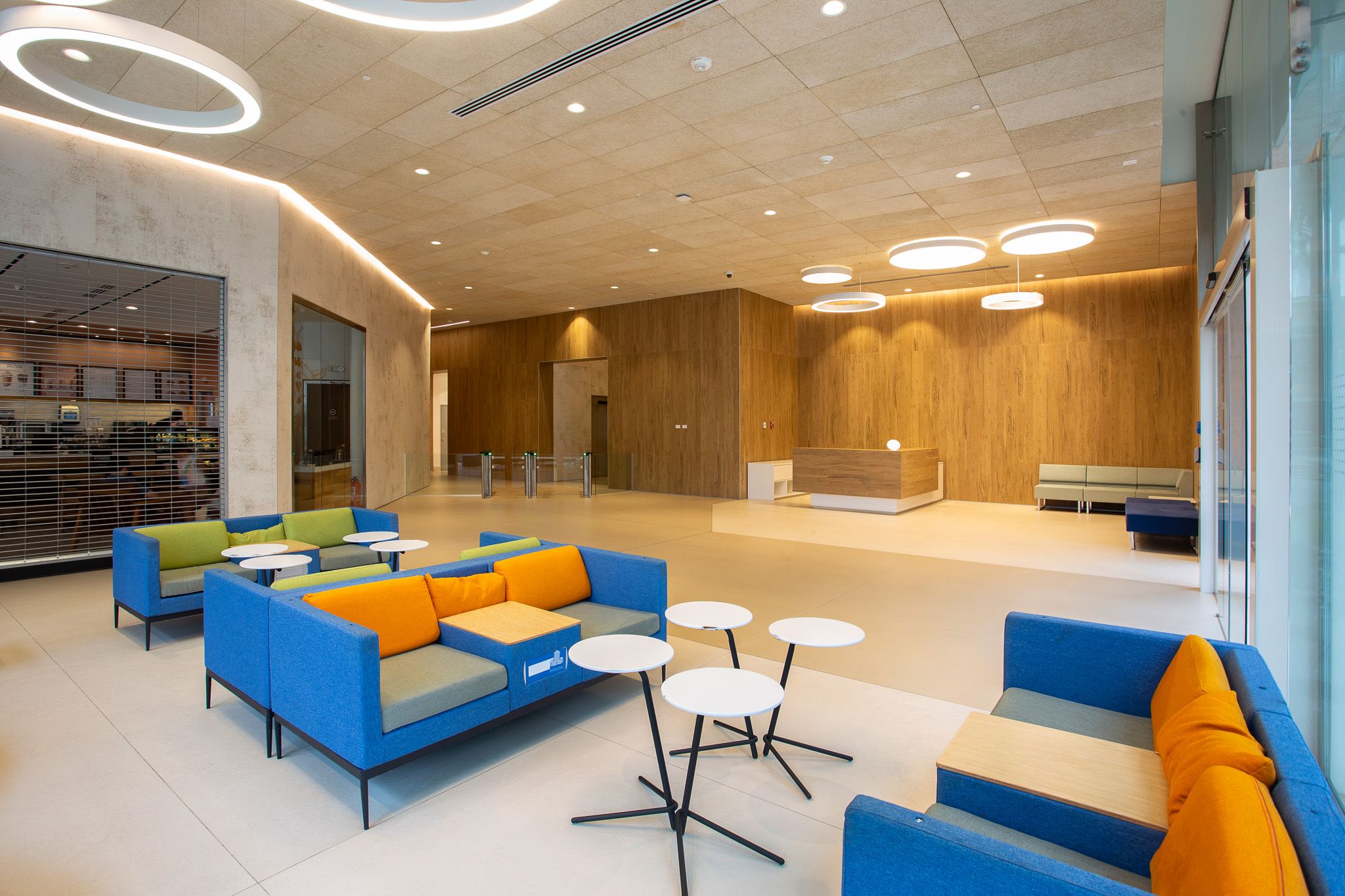
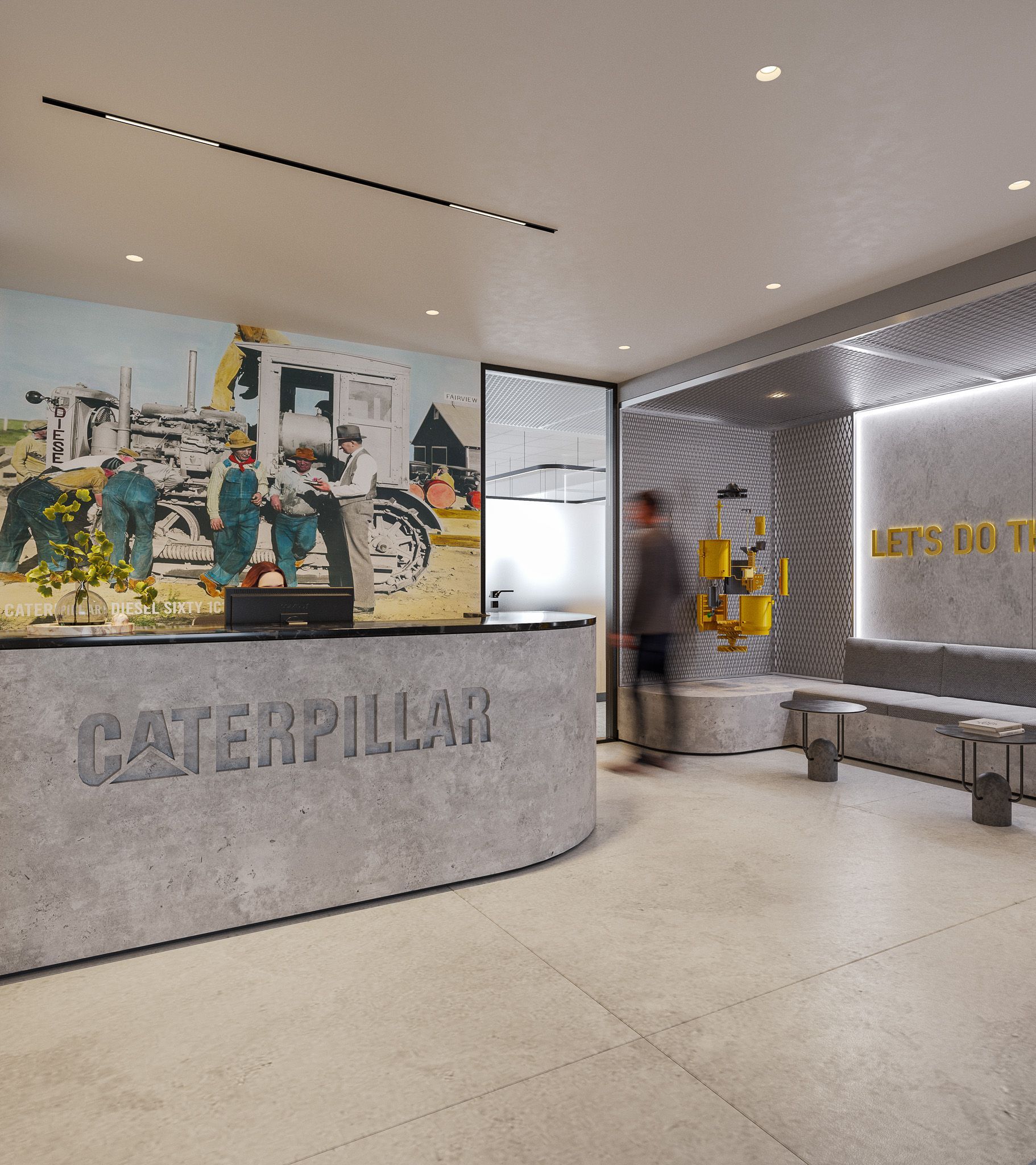
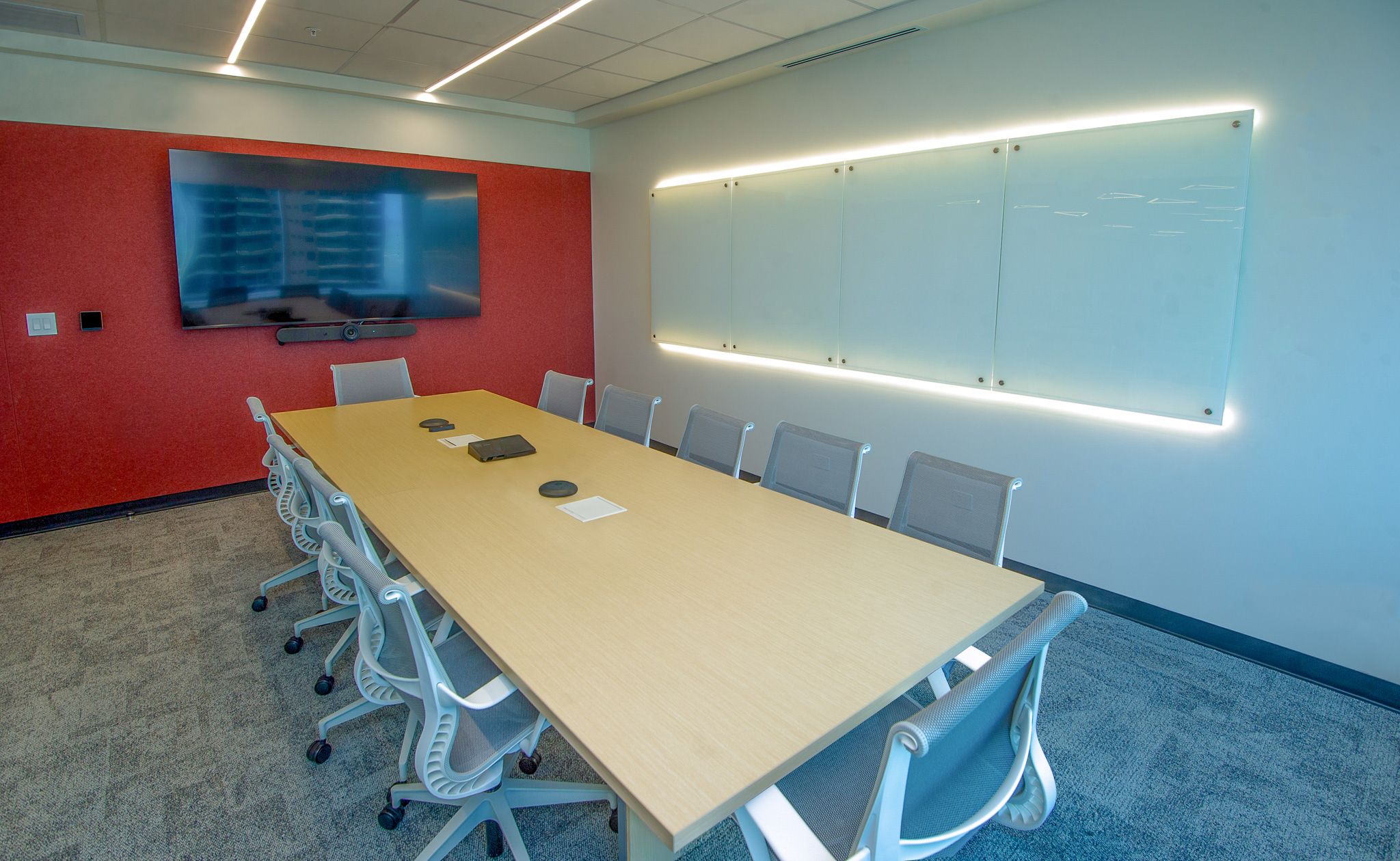
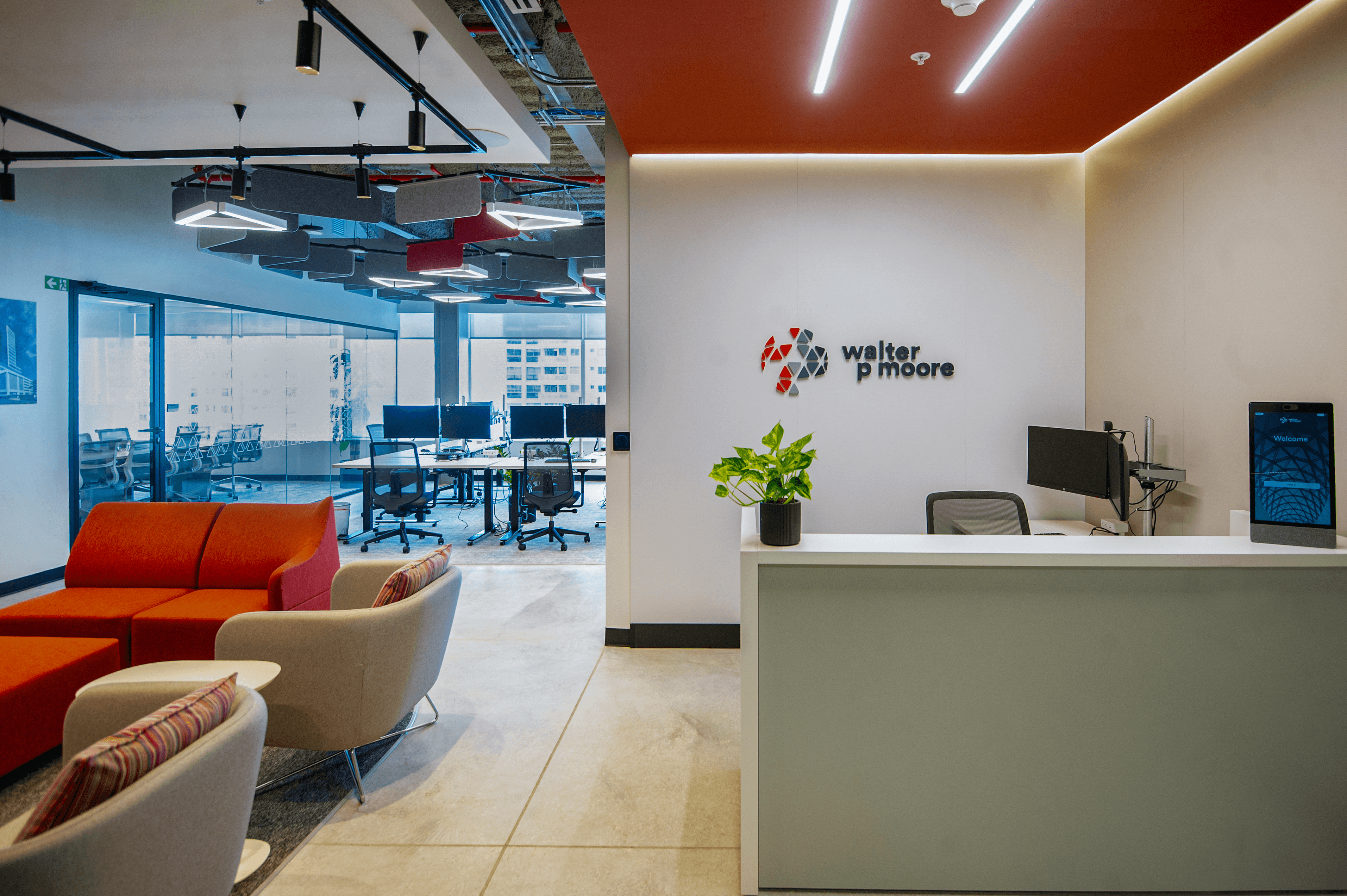
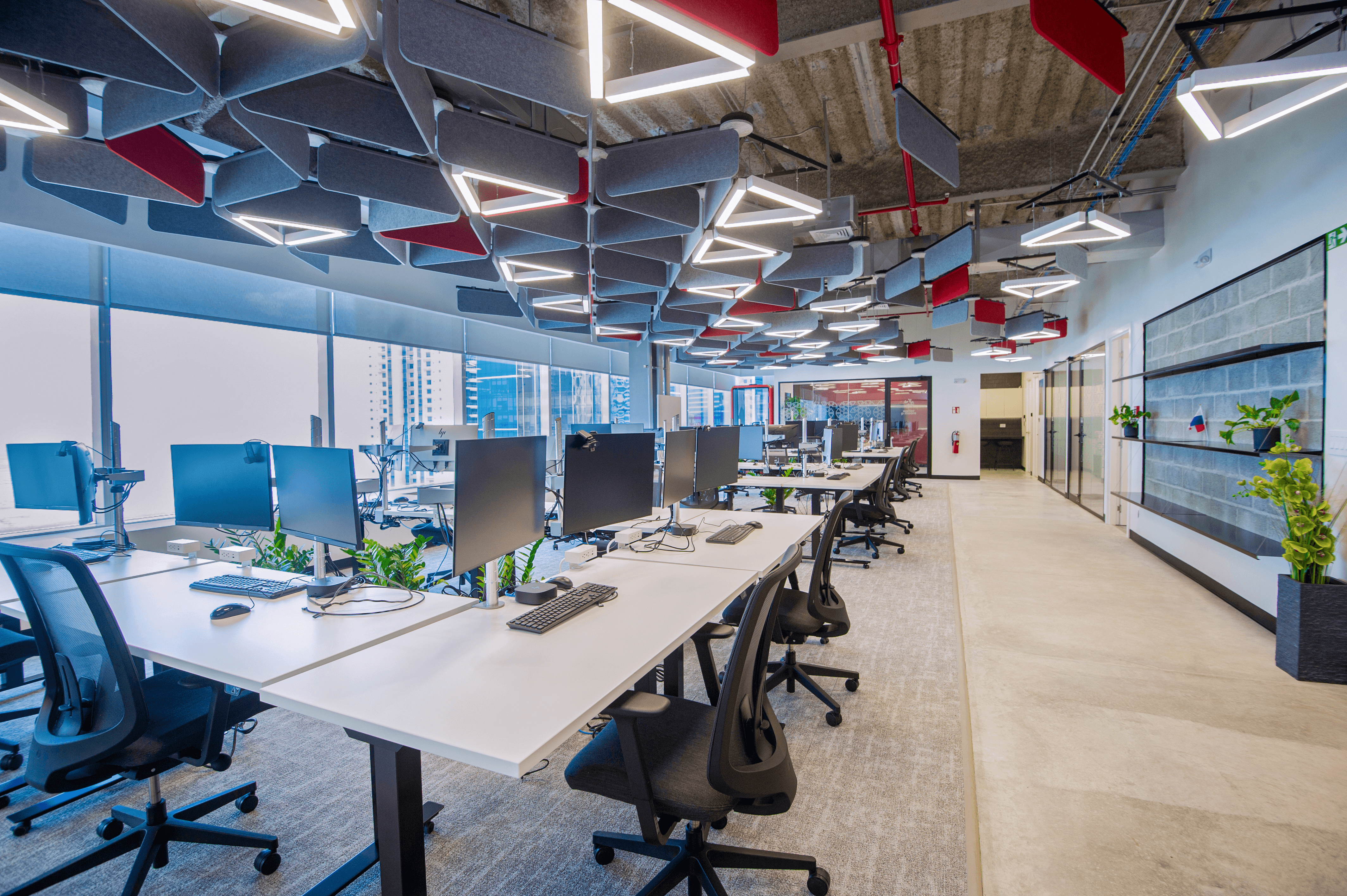
In recent office projects, it has become increasingly important to design spaces that can adapt to constantly evolving work structures. Open configurations, the integration of flexible areas, and the ability to reorganize teams without complex interventions are becoming key factors.
The images accompanying this article show a contemporary workspace where organization, layout clarity, and the integration of different types of areas allow for gradual adaptation to new needs.
Without modifying the main structure, this type of environment supports team growth and the evolution of how the space is used over time.
Designing projects that evolve
Thinking about growth does not mean designing bigger, but designing better. It means understanding that a project does not end when it is built, but continues to evolve with those who inhabit it.
In a context where change is constant, the most valuable projects are not those that solve the present moment, but those that are prepared to adapt to the future. This is where architecture demonstrates its true value.
Related News