Interview with Óscar Díaz Díaz: International Experience and a Conscious Vision for Architecture in Panama

Óscar Díaz Díaz
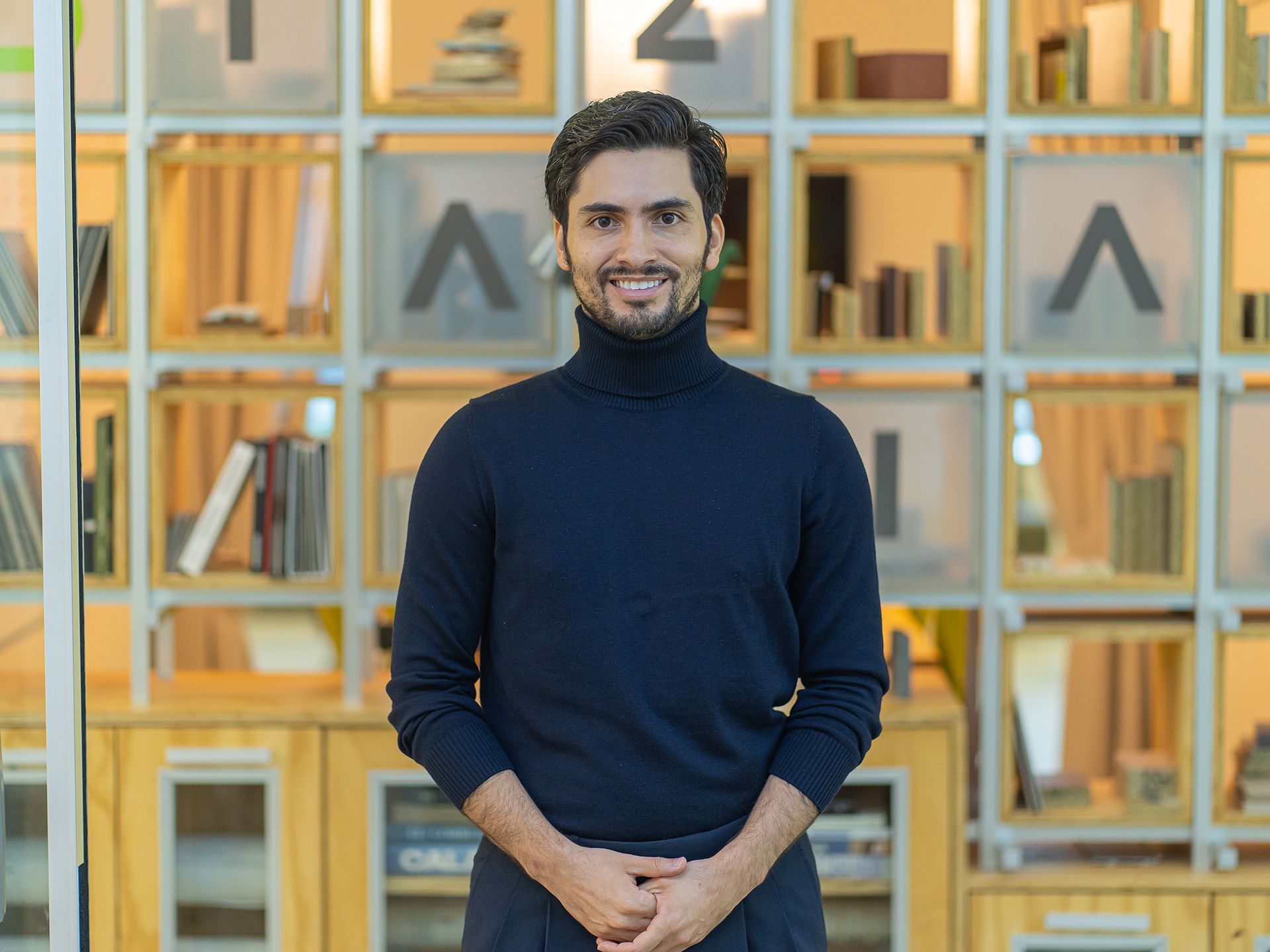
Óscar Díaz Díaz is an architect based in Panama with an international academic background and global professional experience. He holds a Bachelor’s degree in Environmental Design from Texas A&M University, a Master of Architecture from the University of California, Berkeley, and completed the Design Thinking: From Insights to Viability program at Stanford Graduate School of Business. Before founding his own practice, he worked with international firms such as BHDP Architecture and Gensler.
Since 2014, he has led DIAZ DIAZ, an architecture firm that approaches projects from an integrated perspective, combining planning, design, and execution. In this conversation, Óscar reflects on his professional journey, the impact of the firm in Panama, and his vision for the future of architecture.
Education and International Career Path
“My education and professional experience outside Panama were essential in understanding that architecture is not just an object, but a complete system.”
Studying and working in different countries exposed Óscar to diverse ways of living, building, and shaping cities. This experience led him to move away from ego-driven design and toward a context-based approach, where architecture responds to specific conditions rather than imposing a predefined vision.
Today, he understands architecture as a strategic response to climate, economy, users, and time. His international background taught him to be more rigorous, but also more flexible, and to recognize that a successful project is not necessarily the most visually striking, but the one that works seamlessly and makes people feel comfortable without drawing attention to itself.
Returning to Panama and Founding DIAZ DIAZ
“Returning to Panama was a very conscious decision.”
After working with firms such as BHDP Architecture and Gensler, Óscar gained valuable experience in processes, coordination, and long-term thinking. At the same time, he identified a clear opportunity in Panama: while development was accelerating, there was a need to better integrate design with execution.
DIAZ DIAZ was founded in response to this gap, with the goal of creating a firm capable of understanding architecture as a holistic process, from concept to built reality. For Óscar, good design is only meaningful when it can be executed with control, clarity, and responsibility.
The Impact of DIAZ DIAZ in Panama
“I do not measure our impact only by the buildings we design, but by how projects are carried out.”
Beyond physical outcomes, Óscar believes the firm’s true contribution lies in improving the way architecture is practiced. DIAZ DIAZ has promoted clearer processes, stronger coordination between disciplines, and more transparent relationships with clients.
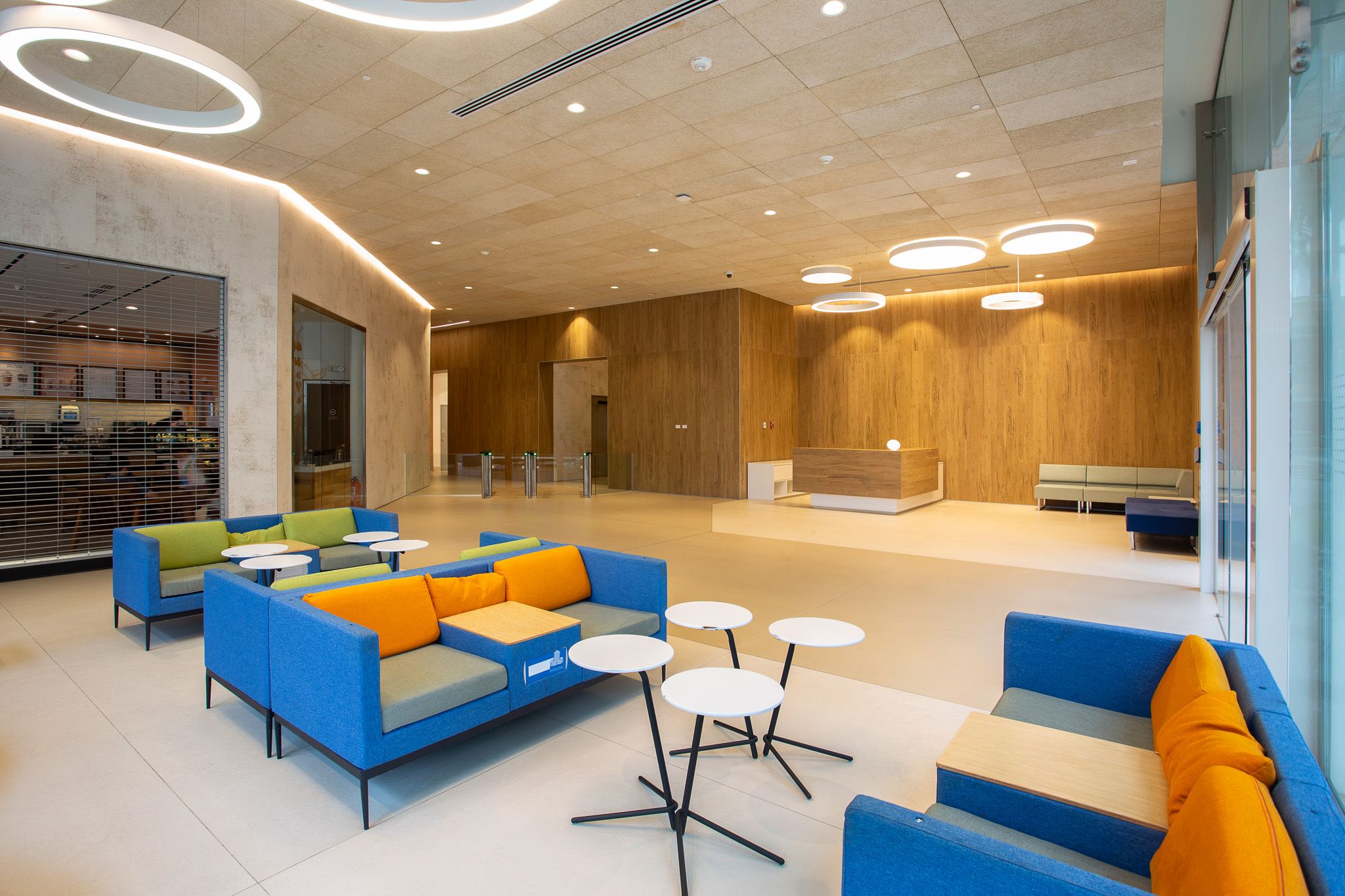
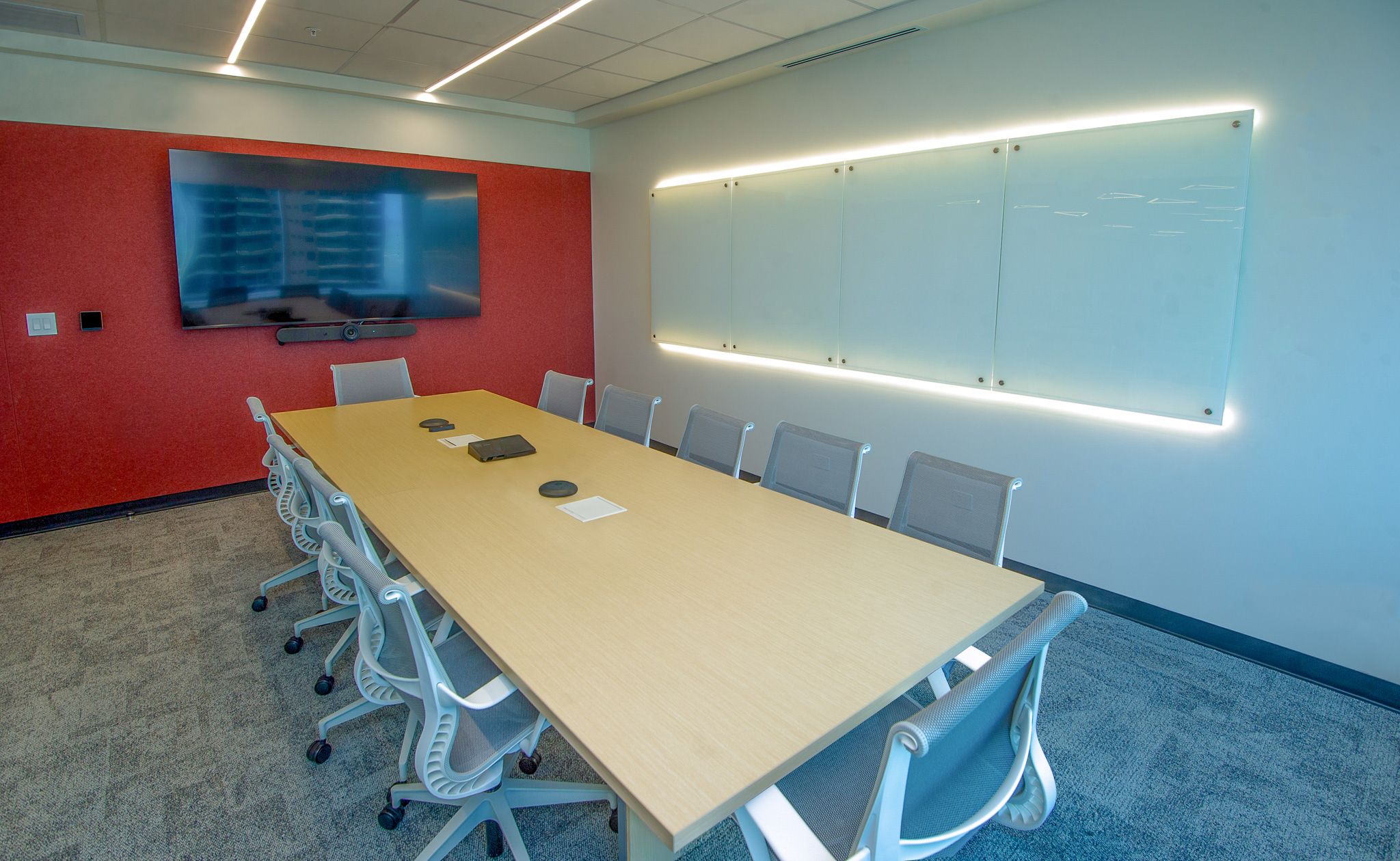
From an urban perspective, the firm focuses on projects that generate real value: more human-centered workspaces, developments that engage with their surroundings, and solutions that remain viable over time. The objective is to contribute to city-making through coherence rather than improvisation.
An Integrated Vision: Planning, Design, and Construction
“Designing without understanding how things are built is only half the work.”
One of the defining principles of DIAZ DIAZ is its integrated approach. By working across master planning, conceptual design, technical documentation, and construction, the firm is able to make more responsible decisions at every stage of the project.
Each line drawn has a direct impact on cost, schedule, and quality. Integrating design, construction documents, budgeting, project administration, and execution ensures that every project is conceived and delivered as a single, coherent vision.
For clients, this approach provides continuity and guidance throughout the entire process, not just a set of drawings. Ultimately, the coherence of a project becomes evident when the space is experienced and everything feels intentional.
The Future of Architecture in Panama
“The future of architecture in Panama will be more conscious, or it will not exist at all.”
Óscar sees a clear shift toward more responsible architecture, not only from an environmental standpoint, but also from a social and economic perspective. In a country as diverse as Panama, where nature, culture, technology, and rapid development coexist, people-centered design will be essential.
Innovation, in his view, will not be limited to technology. It will also emerge through new processes, materials, and development models that are better aligned with local realities. Panama has a unique opportunity to grow with intention, and architecture carries a significant responsibility in shaping that future.
Related News