Modular and prefabricated architecture is driving the future of sustainable and efficient design, optimizing time, cost, and urban well-being

Óscar Díaz Díaz
Architecture is undergoing a quiet revolution driven by efficiency, sustainability, and adaptability. In Panama, modular design and prefabricated construction are emerging as smart responses to the challenges of urban growth, housing demand, and the need for flexible commercial spaces. This methodology not only optimizes construction time and cost but also redefines how we conceive the buildings of the future.
Innovation Redefining Construction
Modular design is based on the creation of standardized components—modules or sections that are manufactured in a controlled environment before being assembled on-site. In Panama, where climate and logistics can pose challenges, this approach significantly reduces construction time and the unforeseen issues associated with traditional building methods.
This type of design is far from a passing trend. It represents a shift in architectural thinking: moving from building on-site to “assembling” structures with industrial precision, without sacrificing aesthetics, functionality, or architectural quality.
Efficiency, Sustainability, and Quality Control
One of the main advantages of modular architecture is efficiency. Projects are developed in parallel—while the site is being prepared, the structures are being manufactured off-site—reducing delivery times by up to 50%.
Moreover, the controlled environment ensures constant quality control and significantly reduces material waste, contributing to environmental sustainability goals that are increasingly valued in Panama’s real estate market.
In a country where sustainable construction standards are on the rise, prefabrication stands out as a coherent alternative aligned with the vision of greener, more energy-efficient cities. Recyclable materials, thermal insulation, and passive technologies can be easily integrated into these types of structures, making environmentally responsible and economically viable design possible.
Modular Architecture for a Dynamic Market
Panama has become a regional hub for real estate investment and urban development. The boom in mixed-use, residential, and corporate projects has driven the search for more agile and flexible solutions.
Modular construction allows spaces to adapt quickly—offices that can be reconfigured based on demand, homes that grow with their occupants’ needs, or even temporary structures for events and tourism developments in coastal or rural areas.
This versatility is particularly valuable in a country where urban development is advancing rapidly and available land in strategic areas is increasingly limited. Modular projects make better use of every square meter, offering scalable solutions that can be expanded or relocated depending on the context.
High-End Prefabrication: Design and Aesthetics Without Compromise
One of the most common myths about prefabricated architecture is that it requires sacrificing design or quality. However, technological advances and the creative talent of Panamanian architects have proven otherwise.
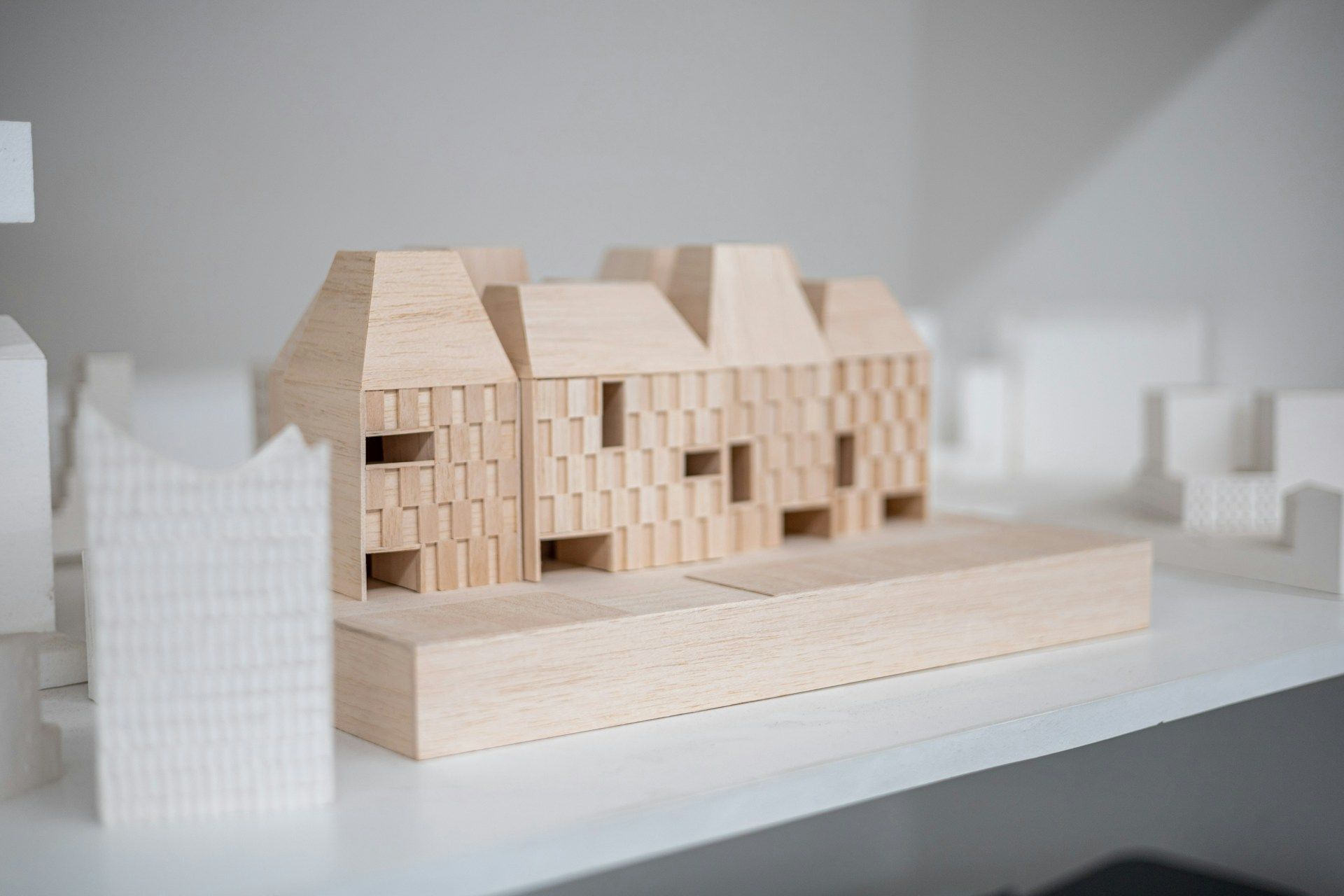
Today, it is possible to create high-end prefabricated buildings that combine noble materials, luxurious finishes, and contemporary architectural design. Prefabrication also allows for experimentation with new forms and materials while maintaining coherence between functionality and the project’s visual identity. The ability to reproduce modules with precision enables a level of architectural detail that is difficult to achieve through conventional construction.
Towards More Human and Flexible Architecture
The true revolution of modular and prefabricated design lies not only in technology but in how it improves people’s lives. By reducing delivery times, minimizing environmental impact, and increasing spatial flexibility, modular architecture becomes an ally of well-being and productivity.
In Panama, this trend finds fertile ground—a country in constant growth, where architecture seeks to balance functionality, sustainability, and aesthetics. The future of construction will depend not only on new materials or technologies but on architects’ ability to rethink processes, create value, and design with purpose.
Modular and prefabricated architecture is paving that path. And Panama, with its innovative spirit and forward-looking vision, is poised to become a regional benchmark in this new way of building.
Related News