Space and Brand Experience: How Design Shapes User Perception

Óscar Díaz Díaz
Architecture plays a decisive role in how a brand is perceived. Beyond visual identity or communication strategy, the physical environment becomes a direct interface between the organization and its users.
Every spatial decision influences how people feel, behave, and remember a place. In this sense, architecture is not just a container of activity, but an active component of brand experience.
For companies and developers, this means that design is not only an aesthetic exercise. It is a strategic tool that can reinforce positioning, differentiate an asset, and shape long-term perception.
Space as a physical expression of the brand
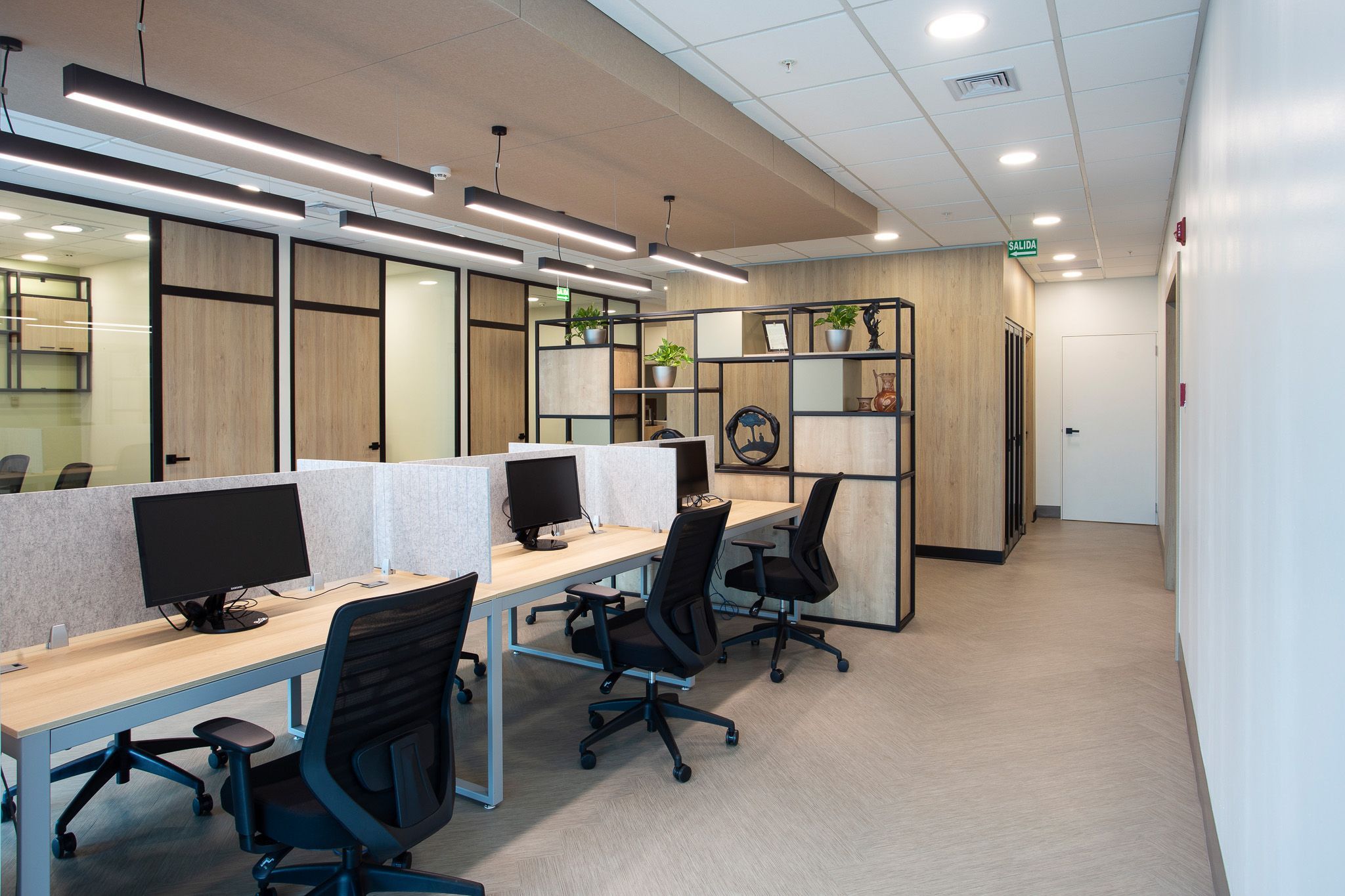
A brand is built through multiple touchpoints, and space is one of the most impactful. It is where expectations meet reality.
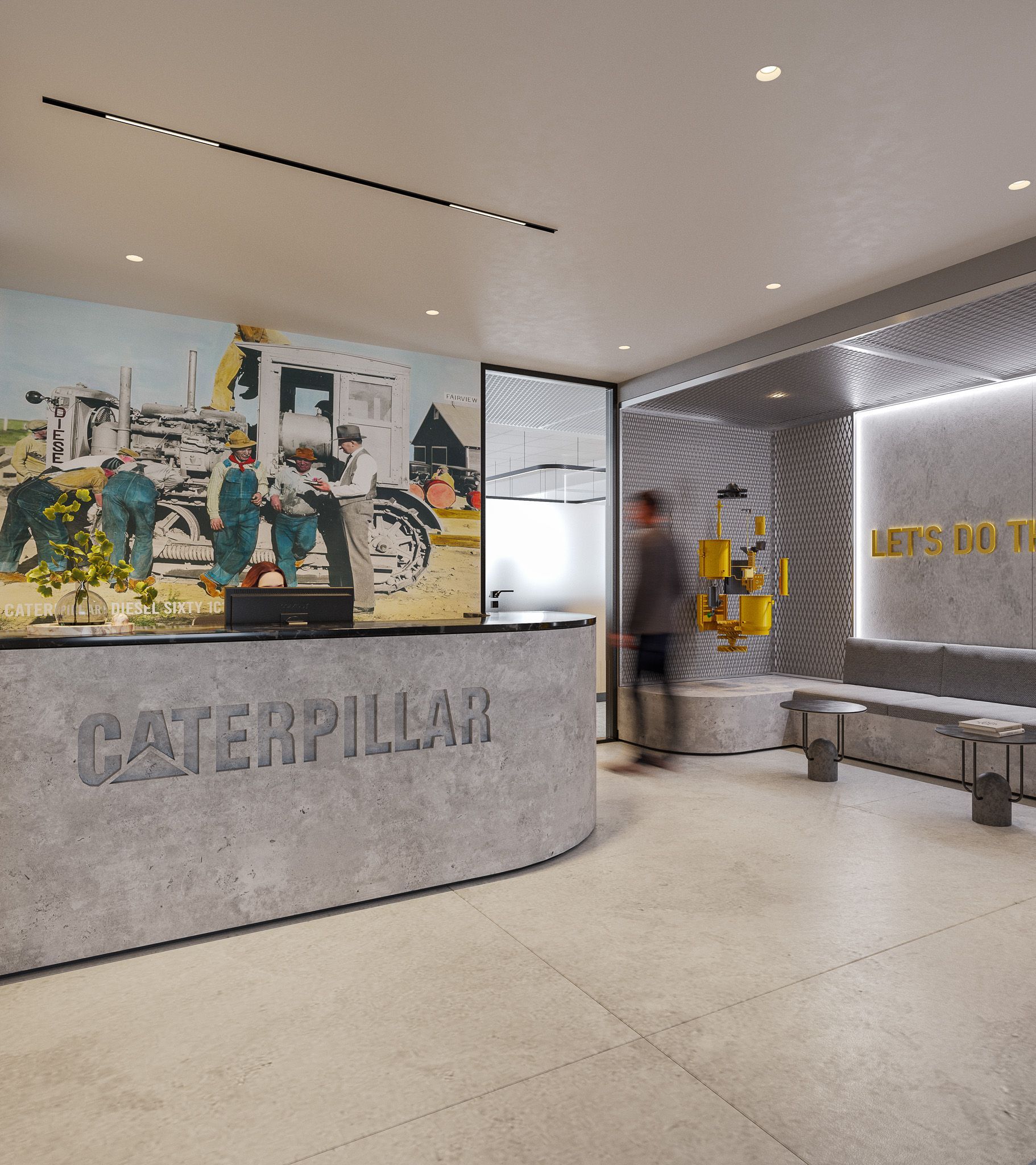
The way a space is organized, its scale, materials, lighting, and circulation all communicate values. Whether intentional or not, these elements send clear signals about what the brand represents.
A coherent spatial experience strengthens credibility. When there is a gap between what a brand communicates and what the space delivers, perception weakens.
How to approach it:
- Translate brand values into spatial decisions
- Ensure consistency between identity, communication, and environment
- Avoid relying solely on graphic elements to express the brand
##First impressions define the experience
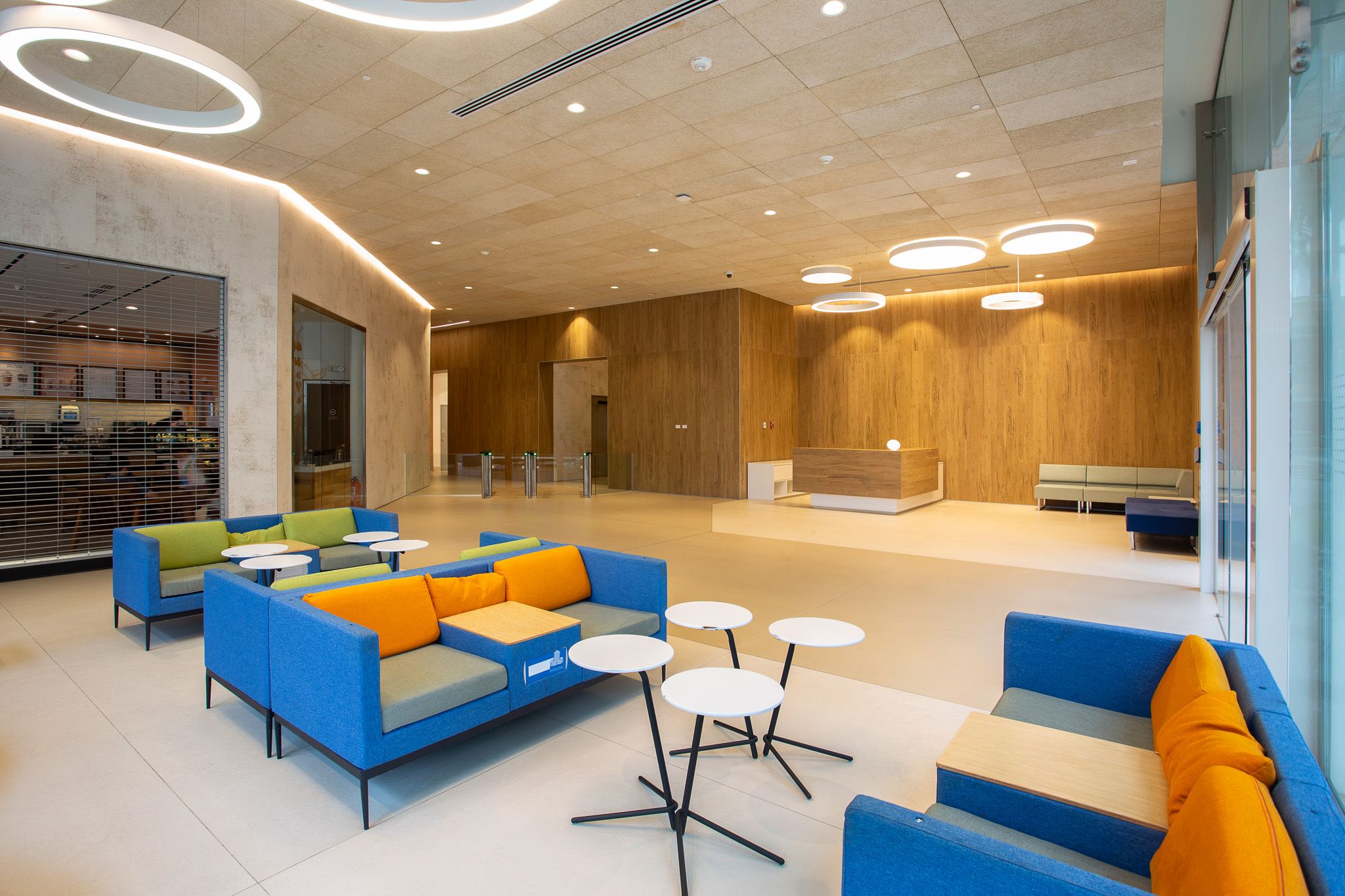
User perception is often shaped within the first moments of entering a space. This initial contact sets expectations and frames the entire experience.
Elements such as access, transitions, and arrival sequences play a critical role. A clear and intuitive entry builds confidence, while a confusing or fragmented arrival generates friction.
These early impressions tend to persist, influencing how the rest of the space is interpreted.
How to approach it:
- Design clear and intuitive entry points
- Control visual and spatial hierarchy from the beginning
- Ensure that the arrival experience aligns with the brand positioning
##Spatial clarity and user behavior
The way a space is structured directly affects how people move and interact within it.
Clear layouts reduce cognitive load and make experiences more fluid. In contrast, poorly organized spaces create uncertainty, slow down movement, and negatively impact perception.
This is particularly relevant in commercial and corporate environments, where efficiency and ease of use are closely linked to performance.
How to approach it:
- Prioritize legibility in spatial organization
- Design circulation paths that feel natural and intuitive
- Align layout decisions with user behavior, not just formal composition
##Materiality and atmosphere as perception drivers
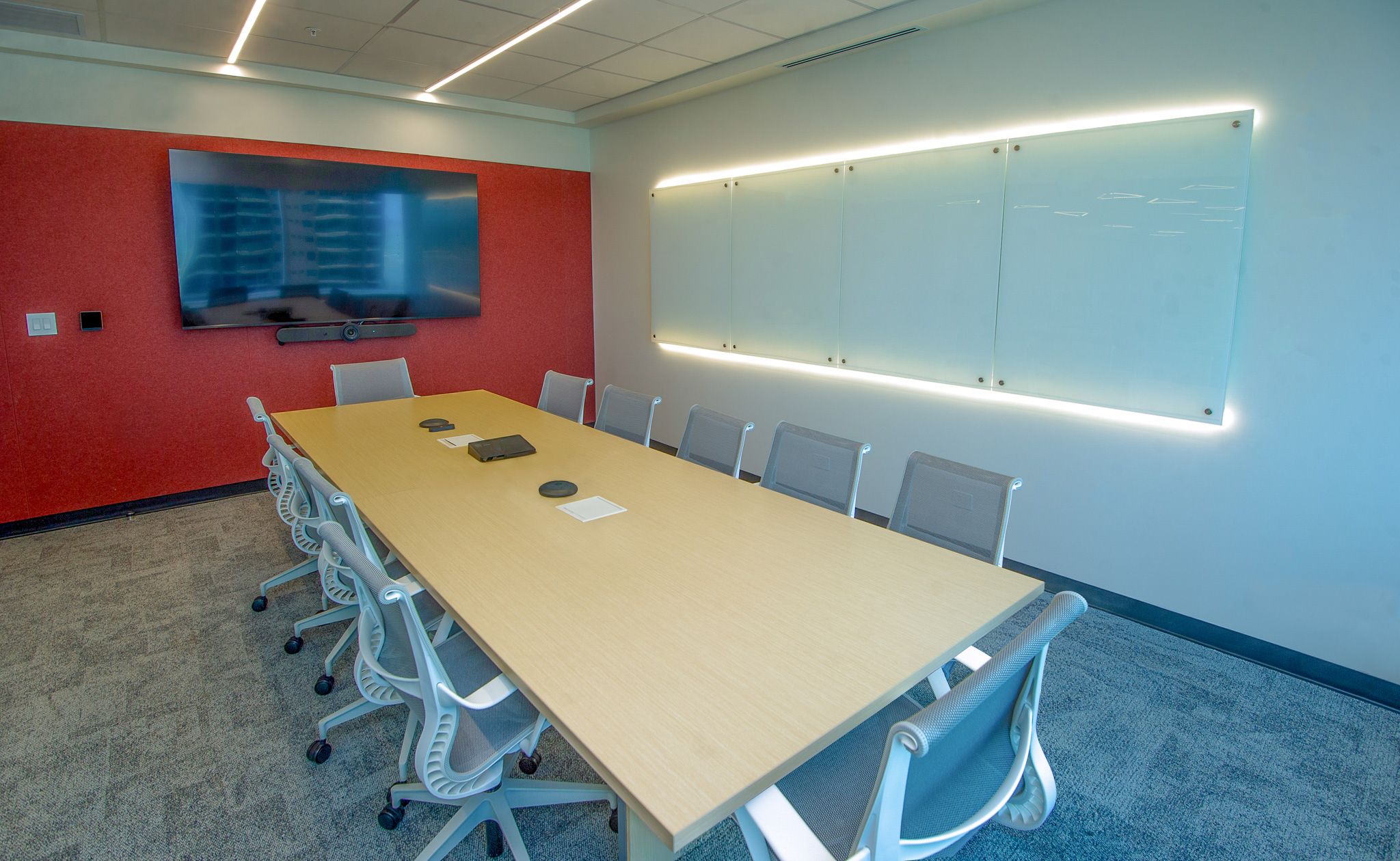
Materials, textures, light, and acoustics define the atmosphere of a space. These elements operate at a sensory level and often shape perception more strongly than visual form alone.
A space can feel calm, dynamic, exclusive, or accessible depending on how these variables are handled.
These decisions influence not only how a brand is perceived, but also how long users stay, how they interact, and how they remember the experience.
How to approach it:
- Select materials based on the desired experience, not only aesthetics
- Consider how light and acoustics affect comfort and perception
- Design atmospheres that support the intended use of the space
Consistency across touchpoints
Brand experience is not defined by a single moment, but by the accumulation of interactions over time.
In spatial terms, this means that consistency across different areas and moments of use is essential. Transitions between spaces should feel coherent, even when functions vary.
Inconsistencies create confusion and weaken the overall perception of the brand.
How to approach it:
- Maintain coherence across different spatial zones
- Design transitions as part of the experience, not as secondary elements
- Ensure that all areas reinforce the same underlying concept
The relationship between space and perceived value
The perception of a brand is closely linked to how its physical environment is experienced.
Well-designed spaces can elevate the perceived value of a product, service, or company. They signal attention to detail, clarity of purpose, and alignment between intention and execution.
Conversely, poorly resolved environments can undermine even strong brands.
For developers and investors, this has a direct impact on asset positioning, user retention, and long-term performance.
How to approach it:
- Understand space as part of the value proposition
- Align design quality with the desired market positioning
- Consider user perception as a measurable outcome of design decisions
Architecture influences brand experience in a way that is both immediate and lasting. It shapes how users interpret a space, how they behave within it, and how they remember it over time.
When design decisions are aligned with business objectives and user expectations, space becomes a strategic asset that reinforces identity and generates value beyond its physical boundaries.
Related News