Building with Tires and Bottles: Innovation from Waste

Óscar Díaz Díaz
21st-century architecture is being called to reinvent its materials. In a world where waste grows faster than solutions, building with discarded materials has become a viable path toward a sustainable future. Among the most surprising techniques are constructions made with recycled tires and bottles, a practice that blends engineering, creativity, and environmental awareness.
In tropical regions like Panama — where climate and material availability directly affect costs and environmental impact — this approach offers an innovative way to reduce waste, use local resources, and promote both social and economic sustainability.
The Second Life of Materials
Tires and plastic bottles are two of the most persistent forms of waste in the environment, taking hundreds of years to decompose. Yet architecture has found in them an opportunity to transform a problem into a resource.
The principle is simple: reuse non-biodegradable materials to create solid, durable structures with excellent thermal properties.
Tires filled with compacted earth function as structural blocks, while bottles — plastic or glass — can be used as insulation, decorative elements, or translucent wall components.
The result is not only functional but also visually striking: spaces that embody sustainability and creativity.
Building with Tires: Strength and Thermal Efficiency
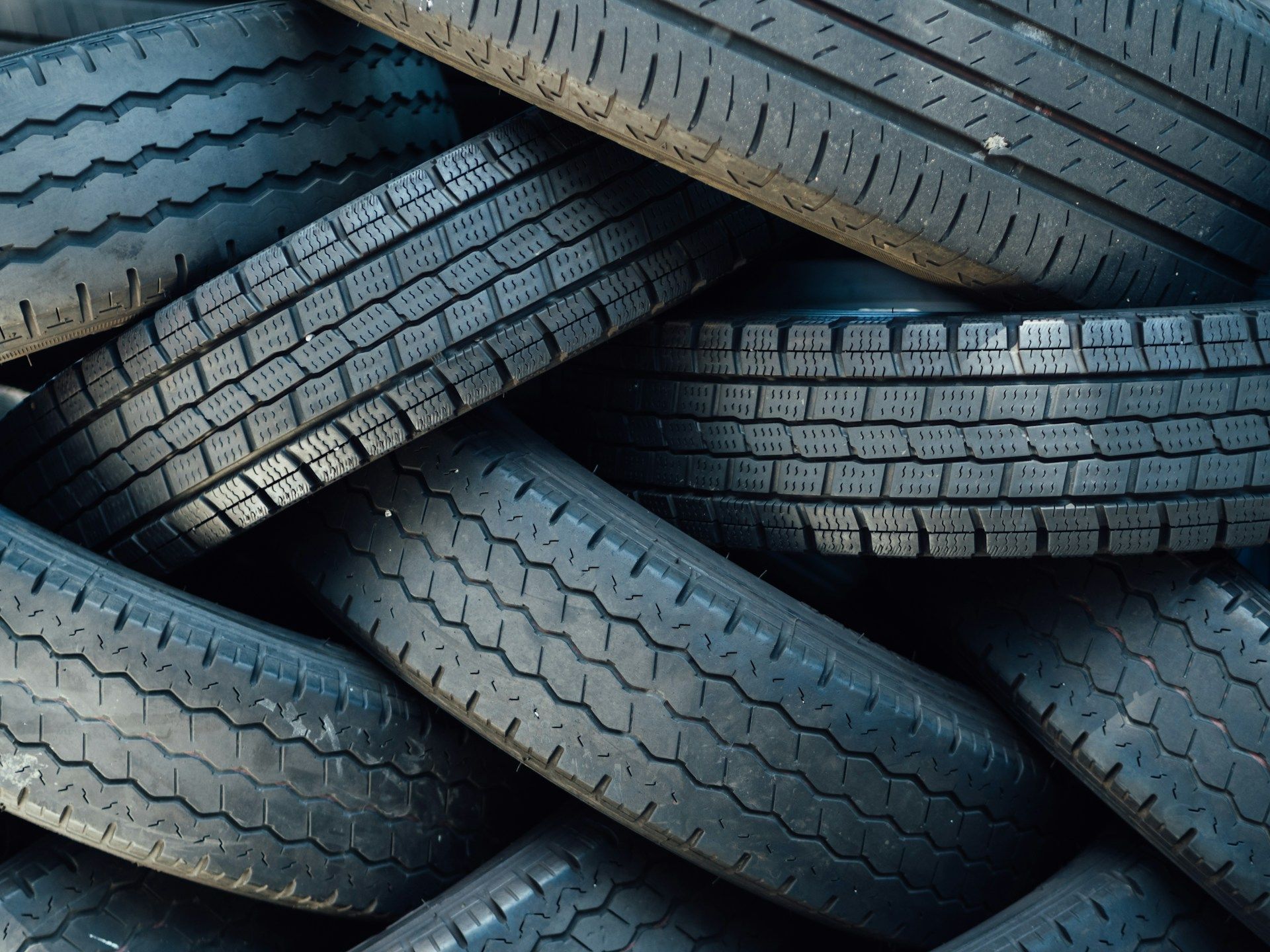
Recycled tires are among the most widely used materials in alternative ecological architecture. Their circular structure and natural impact resistance make them an excellent base for walls and foundations.
The process is relatively straightforward: tires are filled with compacted earth — creating “thermal blocks” — and stacked in rows to form walls, which are then coated with mud, cement, or plaster.
This system, popularized by the so-called earthships, offers multiple benefits:
Natural thermal insulation, keeping interiors cool during the day and warm at night.
High structural resistance, able to withstand heavy loads and seismic movement.
Lower construction costs using readily available materials.
Reduced environmental impact by reusing waste that would otherwise pollute rivers or landfills.
In tropical climates like Panama’s, where heat and humidity are constant, these structures offer an additional advantage: the thermal mass of the tire-filled walls regulates indoor temperature naturally, reducing dependence on air conditioning.
Building with Bottles: Light, Color, and Insulation
Recycled bottles provide both aesthetic and functional solutions.
They can be used as structural units, insulation, or decorative features. Most commonly, bottles are incorporated into translucent walls, allowing natural light to filter through glass or plastic, creating colorful lighting effects while reducing electricity use.
Bottles also act as natural air chambers, improving the thermal and acoustic insulation of the building.
Their use extends beyond housing — in educational, eco-tourism, and community projects, these constructions have become symbols of environmental awareness, demonstrating how creativity can turn waste into architecture.
Additionally, bottle collection and preparation promote community engagement, involving neighbors, schools, and local organizations in collaborative projects that teach recycling and sustainability through action.
Circular Architecture: From Waste to Design
Building with tires and bottles aligns with a broader global movement: circular architecture.
This model aims to keep buildings, materials, and resources in use for as long as possible — minimizing waste and reducing the need for new inputs.
Applied to construction, the circular economy means reusing, repairing, and redesigning — not just recycling, but rethinking the entire life cycle of buildings from design to future transformation.
In Panama, where plastic and tire waste is a growing concern, such initiatives pave the way toward more sustainable and resilient cities, where every material serves a purpose beyond its original use.
Applications in Housing, Public Spaces, and Eco-Tourism
The versatility of recycled-material architecture allows it to be applied in diverse contexts.
In rural areas or low-income communities, tires and bottles offer an affordable and accessible alternative for building homes, schools, and community centers using locally sourced materials.
In tourism projects — especially in natural or ecological settings — this type of construction reinforces messages of sustainability and environmental respect.
In Panama, where eco-tourism and conscious architecture are on the rise, these techniques represent an opportunity to develop eco-lodges, sustainable accommodations, and educational spaces that promote a new way of living: simpler, greener, and more connected to the land.
Each wall built with recycled bottles or tires tells a story of reuse, effort, and collective creativity.
Challenges and Future Perspectives
Despite their advantages, waste-based constructions still face challenges regarding regulations, certifications, and public perception.
In many countries, building codes do not yet recognize unconventional materials, limiting their large-scale adoption. However, growing environmental awareness and the urgency of the climate crisis are accelerating change.
Innovations in materials — such as natural resins, stabilizing mixtures, and hybrid structural systems — are bridging the gap between technical safety and ecological efficiency.
Meanwhile, advances in parametric design and digital modeling allow for precise planning, reducing errors and optimizing resources.
The future points toward regenerative architecture, where each building not only minimizes its impact but actively contributes to the environment.
Building with tires and bottles is a step toward that future — proving that sustainability can be inventive, affordable, and beautiful.
Recycling doesn’t always mean breaking down to rebuild. Sometimes, it means seeing potential in what we discard.
In Panama’s tropical climate — where natural abundance meets modern consumption challenges — this type of architecture proposes more than a method: a philosophy of balance, ingenuity, and respect for the environment.
Related News