Architectural Design as a Tool to Improve Well-Being and Human Experience

Óscar Díaz Díaz
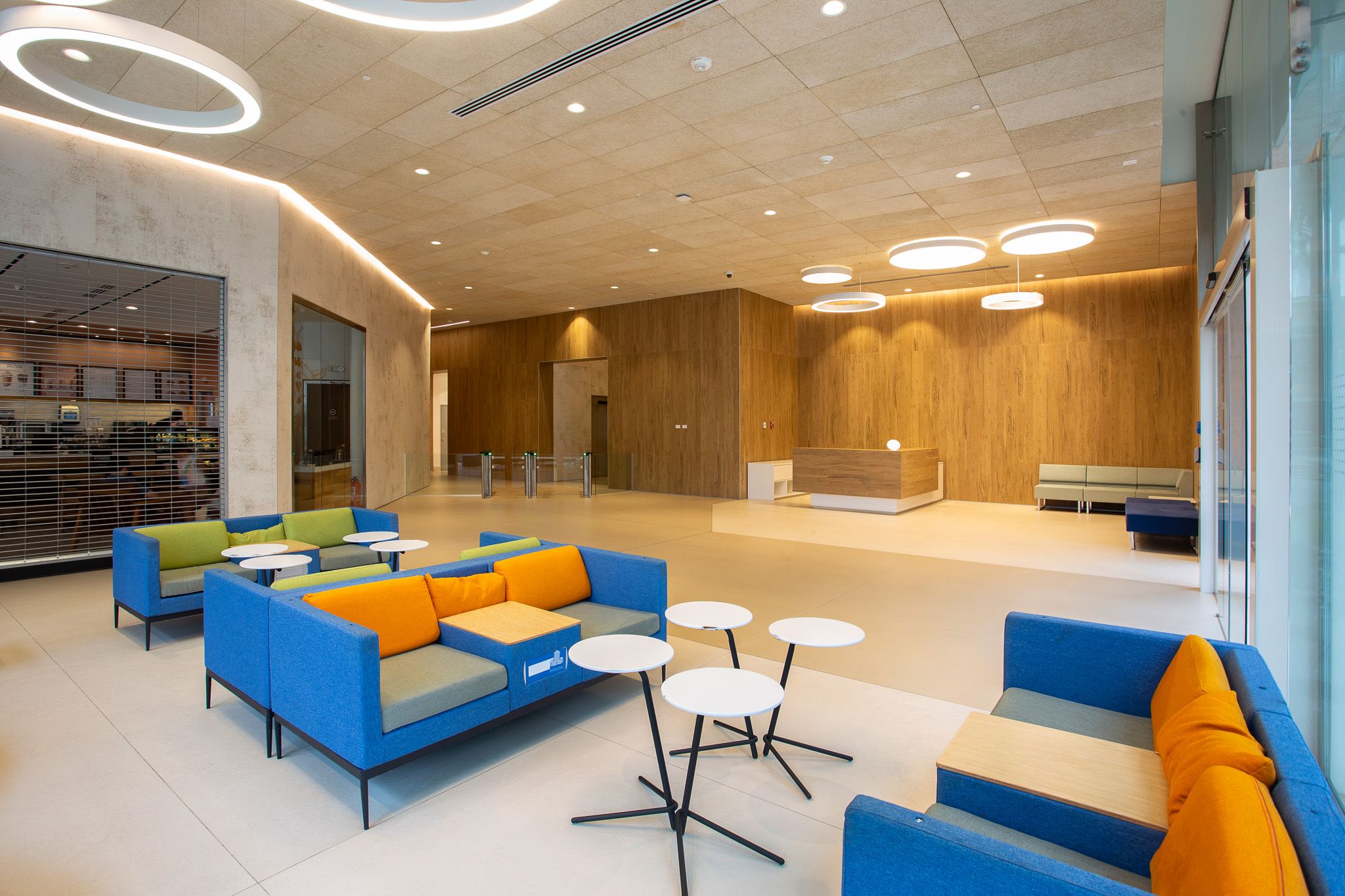
For a long time, architecture was primarily evaluated by its appearance, construction techniques, or its ability to meet a functional program. Today, however, there is a growing understanding that architectural design directly influences human experience, the physical and emotional well-being of people, and the way spaces are inhabited.
In corporate, institutional, and residential contexts, space is no longer a passive container. It becomes an active factor that shapes productivity, health, communication, and perceived quality. Good design is not just an aesthetic choice; it is a strategic decision.
“Architecture does not only define how a space looks, but how it is lived.”
Beyond Form: People-Centered Architecture
A building can fully meet its functional requirements and still generate discomfort, stress, or disconnection. This happens when design focuses solely on technical metrics and overlooks the everyday experience of those who inhabit the space.
Architecture oriented toward well-being emphasizes aspects such as:
- How the scale of space is perceived.
- How natural light moves throughout the day.
- How circulation, transitions, and gathering points feel.
- How the environment affects mood and concentration.
When these factors are considered from the earliest design stages, architecture stops being neutral and becomes a tool that improves quality of life.
Physical Well-Being and Environmental Comfort
Well-being begins with the body. Architecture directly affects physical variables that influence health and daily performance.
A well-considered design can:
- Improve natural ventilation and air quality.
- Regulate indoor temperature through passive strategies.
- Use daylight to reduce visual fatigue.
- Control noise and enhance acoustic comfort.
In tropical climates like Panama’s, these factors become even more relevant. Proper orientation, shading, cross-ventilation, and a strong indoor-outdoor relationship not only increase comfort but also reduce reliance on mechanical systems, improving the daily experience of users.
Emotional Well-Being and Spatial Perception
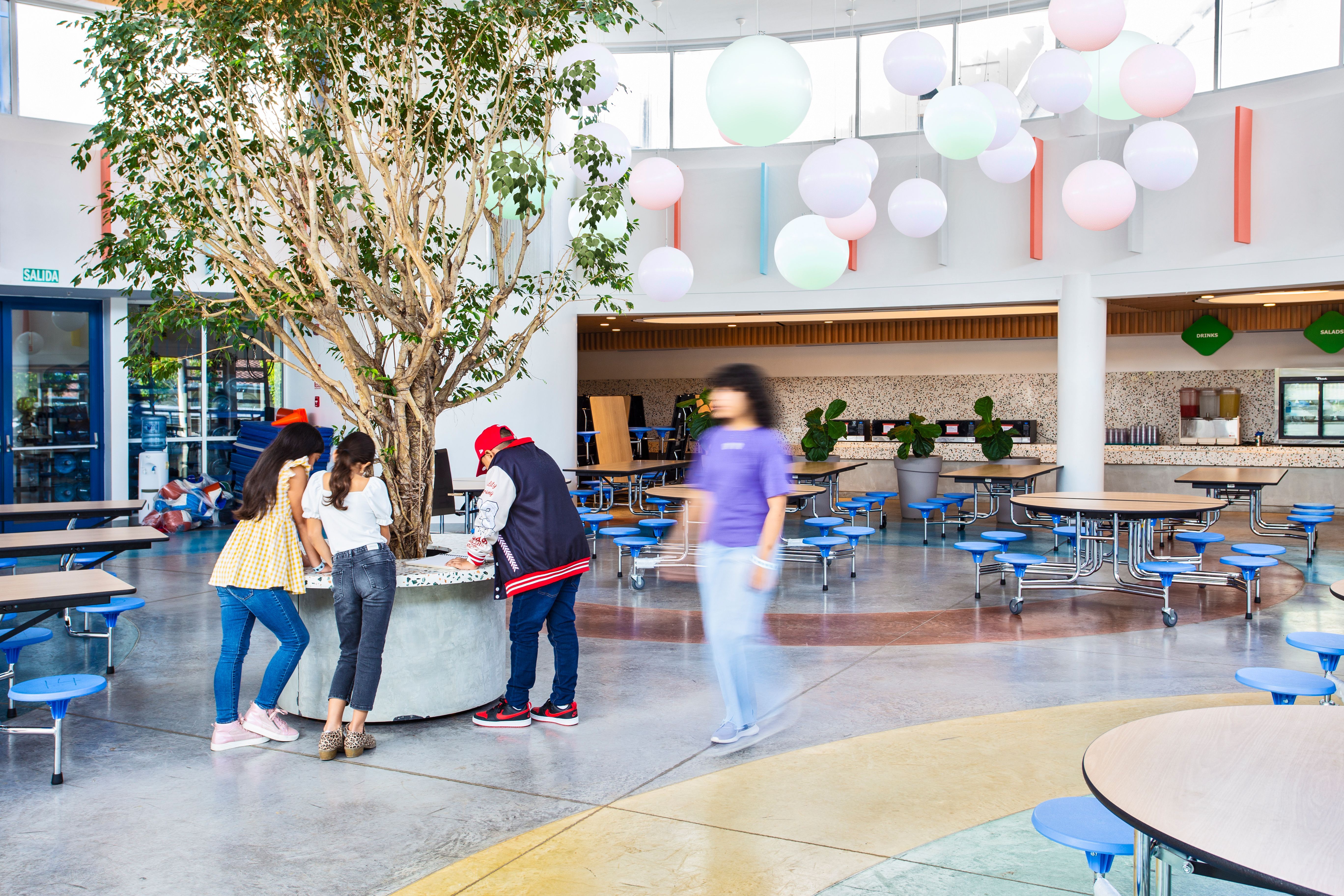
The impact of architecture goes beyond the physical. Spaces also influence how we feel, our stress levels, and our ability to focus.
Elements such as:
- Proportion and spatial balance.
- The relationship between interior and exterior.
- The presence of vegetation or views.
- Clarity in spatial organization.
can generate feelings of calm, control, and openness, or conversely, saturation and stress. A well-designed environment conveys order, coherence, and care. This directly affects how people perceive a company, an institution, or even a home. Space communicates values, often subconsciously.
Human Experience in Workspaces and Corporate Environments
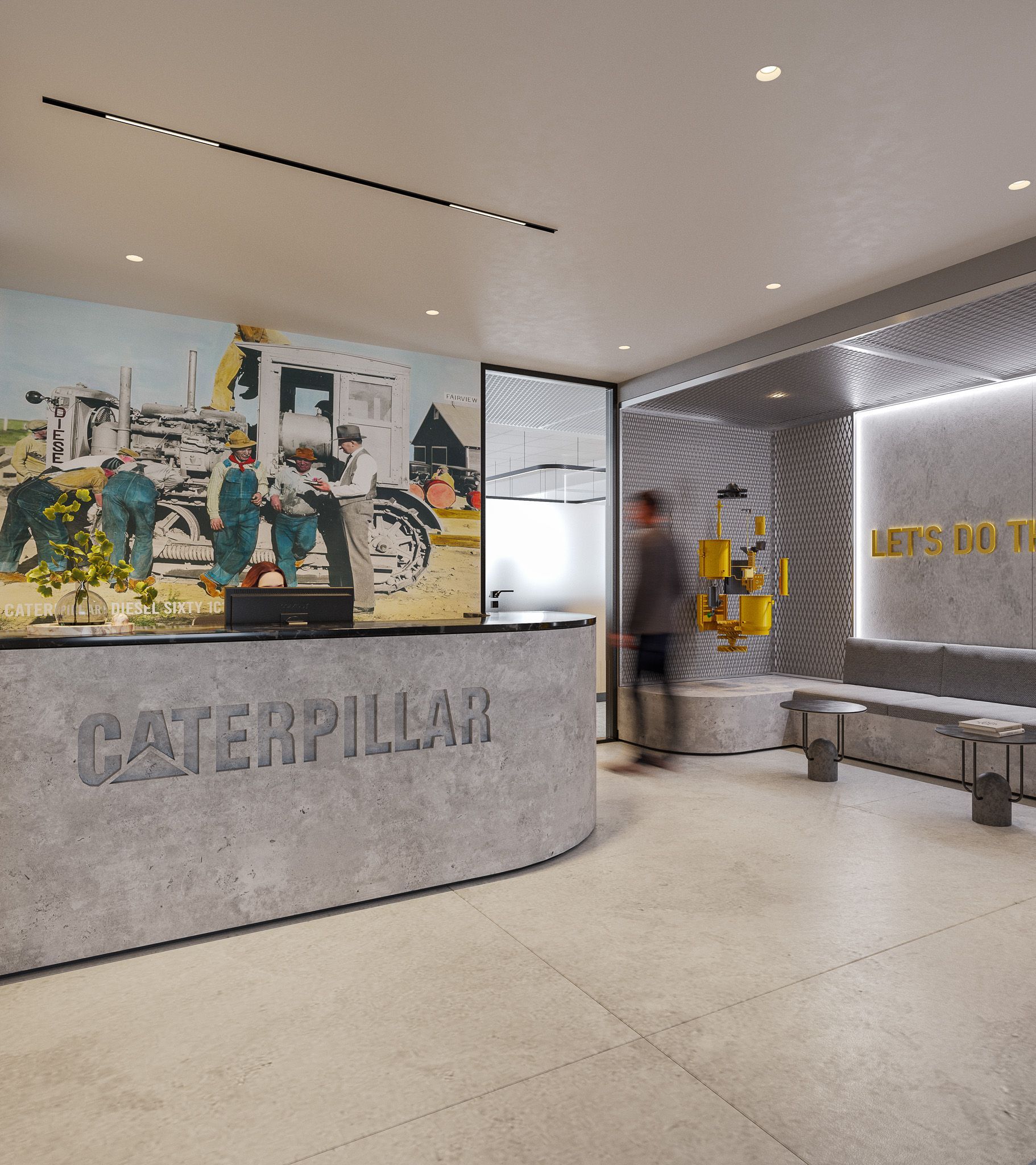
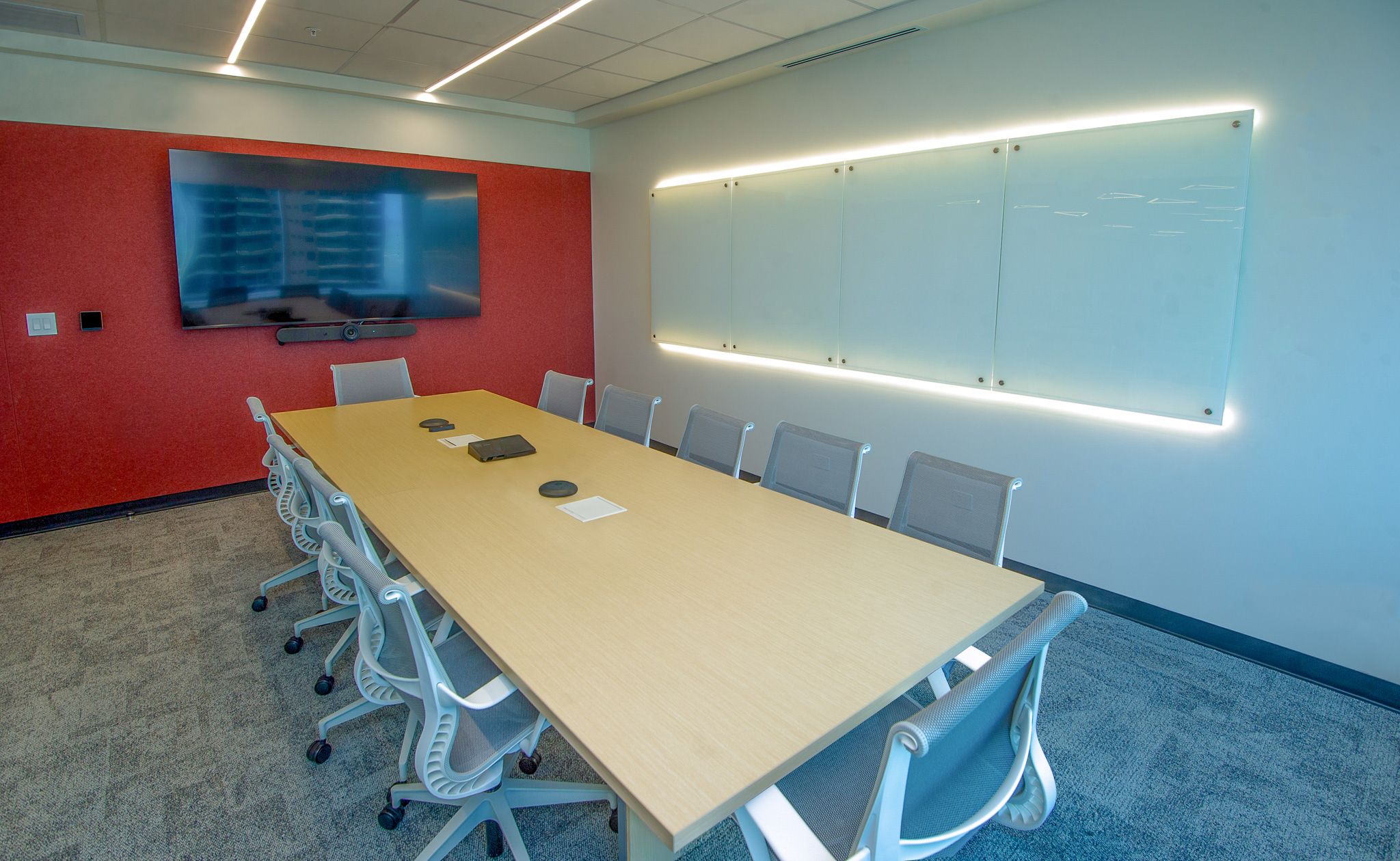
In corporate settings, architectural design has a direct impact on organizational performance. Spaces aligned with how a company truly operates can facilitate communication, reduce operational friction, and improve the employee experience.
More and more organizations recognize that well-being is not a secondary benefit but a key factor in attracting and retaining talent, especially in hybrid or remote work contexts.
Rather than applying trends automatically, the goal is to understand what type of experience each organization needs. A space that works well for a creative company may not be suitable for an organization with highly structured processes.
Architecture, Experience, and Long-Term Value
Designing with well-being and human experience in mind is not only an ethical choice; it is also a strategic one. Spaces that feel good:
- Are used more effectively.
- Adapt more easily to change.
- Maintain their value over time.
- Foster a stronger sense of belonging.
In real estate, corporate, and institutional projects, this translates into higher perceived value, less wear over time, and a more positive relationship between people and the built environment.
A building that prioritizes human experience tends to age better than one designed solely around technical or aesthetic criteria.
Designing Experiences, Not Just Spaces
Contemporary architecture has the opportunity to move beyond form and function. It can become a discipline that designs experiences, places people at the center of the project, and responds to cultural, climatic, and organizational contexts.
When architectural design is approached through the lens of well-being, space stops being a neutral backdrop and becomes an active participant in daily life.
“Good architecture does not merely solve spatial problems; it creates environments where people can thrive.”
Related News