Architecture and Decision-Making: How Space Influences Leadership, Communication, and Culture

Óscar Díaz Díaz
Architecture is often perceived as the backdrop of organizational life. Offices are seen as neutral containers where work happens, decisions are made, and leadership is exercised. In reality, space is never neutral. The physical environment directly influences how decisions are made, how information flows, and how organizational culture is experienced.
Architectural design shapes behavior, hierarchy, interaction, and even the quality of strategic thinking. Understanding architecture as a framework for decision-making allows organizations to align space with leadership models, communication dynamics, and cultural values.
Space as an Invisible Organizational Structure
Every organization has a formal structure defined by roles, processes, and hierarchies. Alongside it exists an informal structure shaped by proximity, visibility, and access. Architecture directly affects this second layer.
Spatial decisions such as:
- Who sits near whom
- Which areas are open and which are enclosed
- Where meetings take place
- How accessible leadership spaces are
influence how ideas are shared, how decisions are debated, and how hierarchies are reinforced or challenged. A layout can encourage dialogue and collaboration or, conversely, strengthen silos and rigid dynamics.
Architecture and Leadership Styles
Different leadership models require different spatial conditions. More hierarchical leadership structures often rely on controlled environments, privacy, and clear boundaries. More horizontal and collaborative models benefit from openness, transparency, and accessibility.
Architecture communicates leadership without words. The location of executive offices, the visibility of decision-makers, and the accessibility of shared spaces all convey messages about how power and responsibility are distributed within the organization.
When space contradicts the leadership model an organization seeks to promote, confusion arises. When it reinforces it, leadership becomes more coherent and effective.

Communication Flow and Spatial Design
Communication is not only a cultural or technological challenge. It is also a spatial one. Architecture shapes how information moves across an organization.
Design decisions that directly affect communication include:
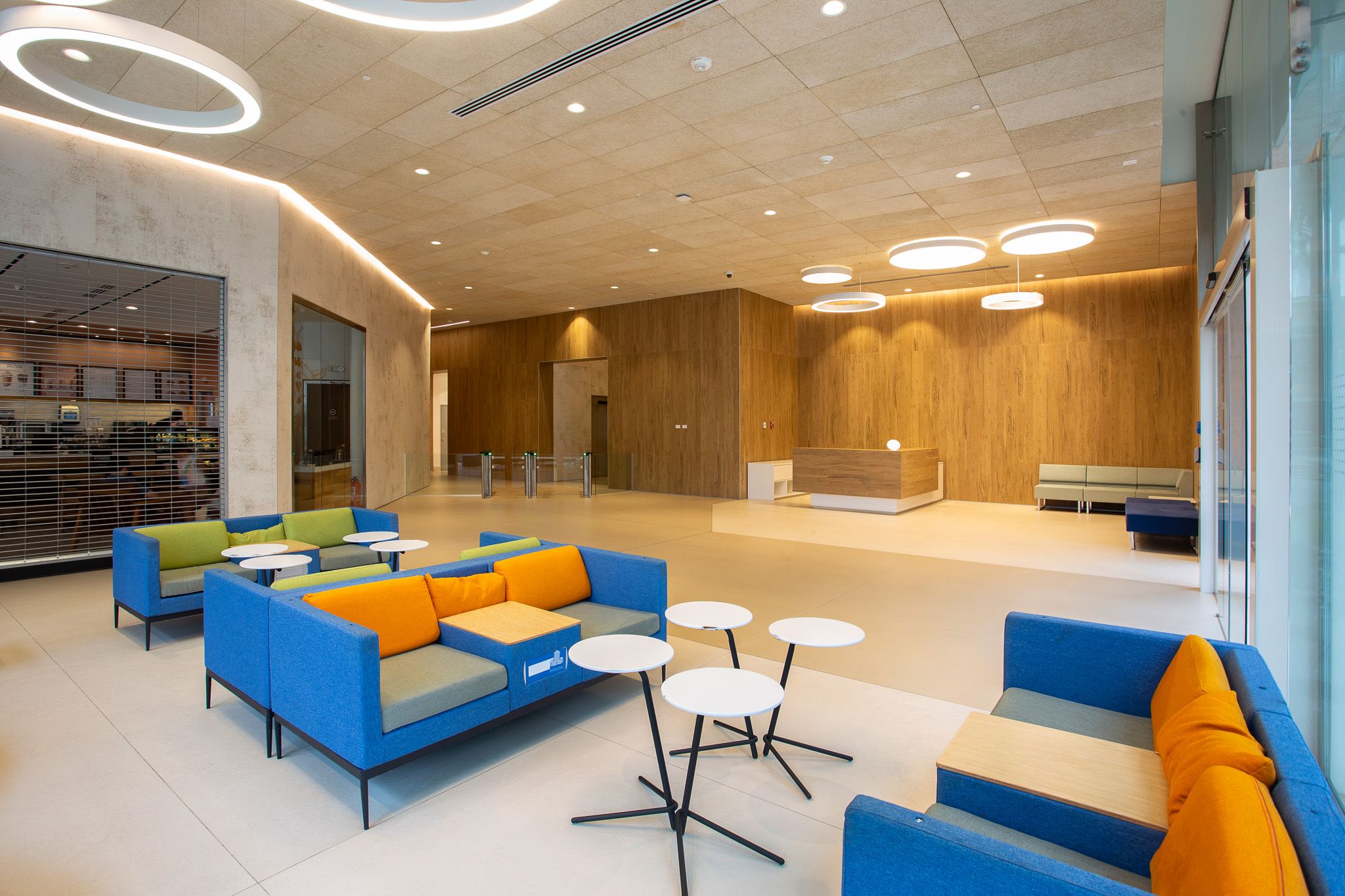
- Clear circulation paths that encourage informal encounters
- Shared spaces that facilitate spontaneous interaction
- Acoustic conditions that support effective conversation
- Visual connections that increase awareness between teams
Poorly designed spaces can create noise, interruptions, or isolation. Well-designed environments allow different forms of communication to coexist, from informal exchanges to focused strategic discussions, improving decision quality.
Culture Is Built, Not Just Declared
Organizational culture is often expressed in mission statements and internal documents. However, it is lived daily through behaviors, interactions, and routines. Architecture plays a crucial role in shaping that experience.
The balance between open and private spaces, the quality of shared areas, and the organization of work zones directly influence:
- Trust and psychological safety
- Sense of belonging
- Collaboration versus competition
- Levels of autonomy and accountability
When spatial design aligns with declared values, culture becomes tangible. When it does not, culture remains aspirational rather than lived.
Decision-Making Environments Matter
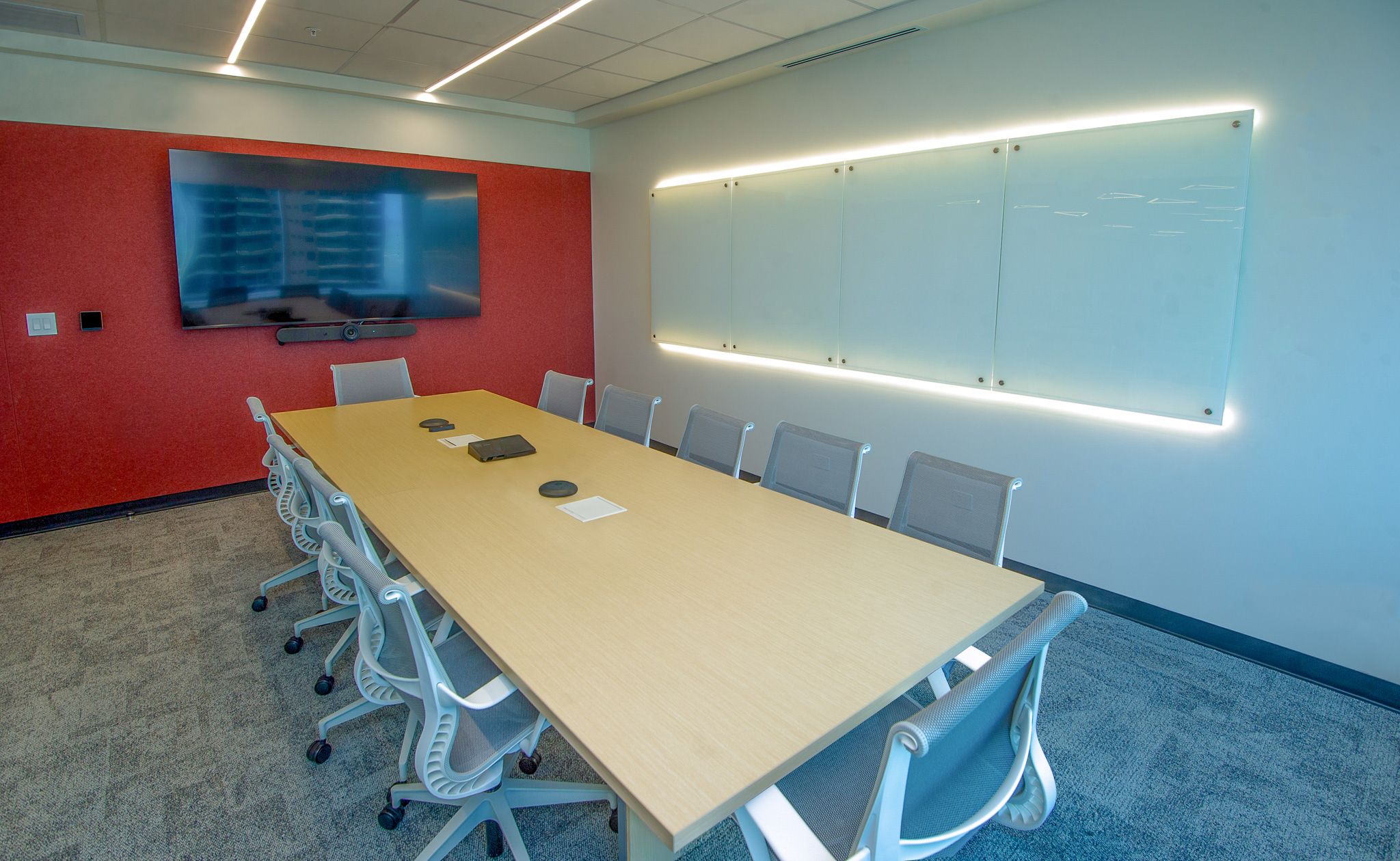
Strategic decisions require specific conditions. Focus, clarity, and meaningful dialogue do not occur equally in every space. Architecture can support or hinder these processes.
Spaces designed for decision-making should consider:
- Appropriate levels of privacy and focus
- Environmental comfort and spatial quality
- Scale and proportion suited to the type of meeting
- Separation from operational noise when necessary
Not every decision benefits from open environments. Some require quiet, others thrive on collective energy. Thoughtful design recognizes this diversity and accommodates it.
Aligning Space with Organizational Strategy
Architecture becomes most valuable when it is conceived as part of an organization’s strategy rather than as a decorative layer added at the end. This requires understanding how the organization operates today and how it may evolve in the future.
When space aligns with strategy, architecture:
- Reinforces leadership models
- Facilitates internal communication
- Makes corporate culture visible and actionable
- Reduces friction in decision-making processes
The workplace shifts from being a passive container to an active management tool.
Designing Coherence and Clarity
Organizations that understand the relationship between space and decision-making create more coherent environments, where leadership feels consistent, communication flows more naturally, and culture is reinforced through everyday experience.
Architecture does not make decisions, but it shapes the context in which decisions are made. When that context is thoughtfully designed, organizations gain clarity, resilience, and the ability to adapt.
Related News