Flexible Corporate Architecture: How to Design Offices That Evolve with the Company

Óscar Díaz Díaz
Companies change faster than their offices. They grow, reorganize, adjust their work models, and redefine priorities in increasingly short cycles. Yet many corporate spaces are still designed as rigid structures, conceived for a fixed snapshot in time.
Flexible corporate architecture emerges as a response to this reality. It is not about following trends or creating generic spaces, but about designing offices that can adapt to the natural evolution of an organization, reducing risk and protecting long-term investment.
Flexibility Is Not Improvisation
One of the most common misconceptions about flexibility is associating it with undefined or characterless spaces. In reality, flexible design requires greater strategic clarity, not less.
Designing for flexibility means anticipating different scenarios:
-Changes in team size. -Shifts in collaboration and concentration dynamics. -Adjustments between on-site, hybrid, and remote work. -Evolution in internal processes and decision-making.
A flexible office does not impose a single way of working. Instead, it supports how the company operates today and how it may operate tomorrow.
Space as a Reflection of the Organization
Corporate architecture cannot start solely from a list of required areas. Before drawing, it is essential to understand how the company is structured, how information flows, and how teams interact.
When space is misaligned with organizational reality, familiar issues emerge: underused areas, overcrowded zones, communication barriers, and loss of productivity.
By contrast, when design is grounded in a clear understanding of the organization, the office becomes an active support for the business, facilitating daily work and reducing operational friction.
Hybrid as a Reference for an Adaptable Approach
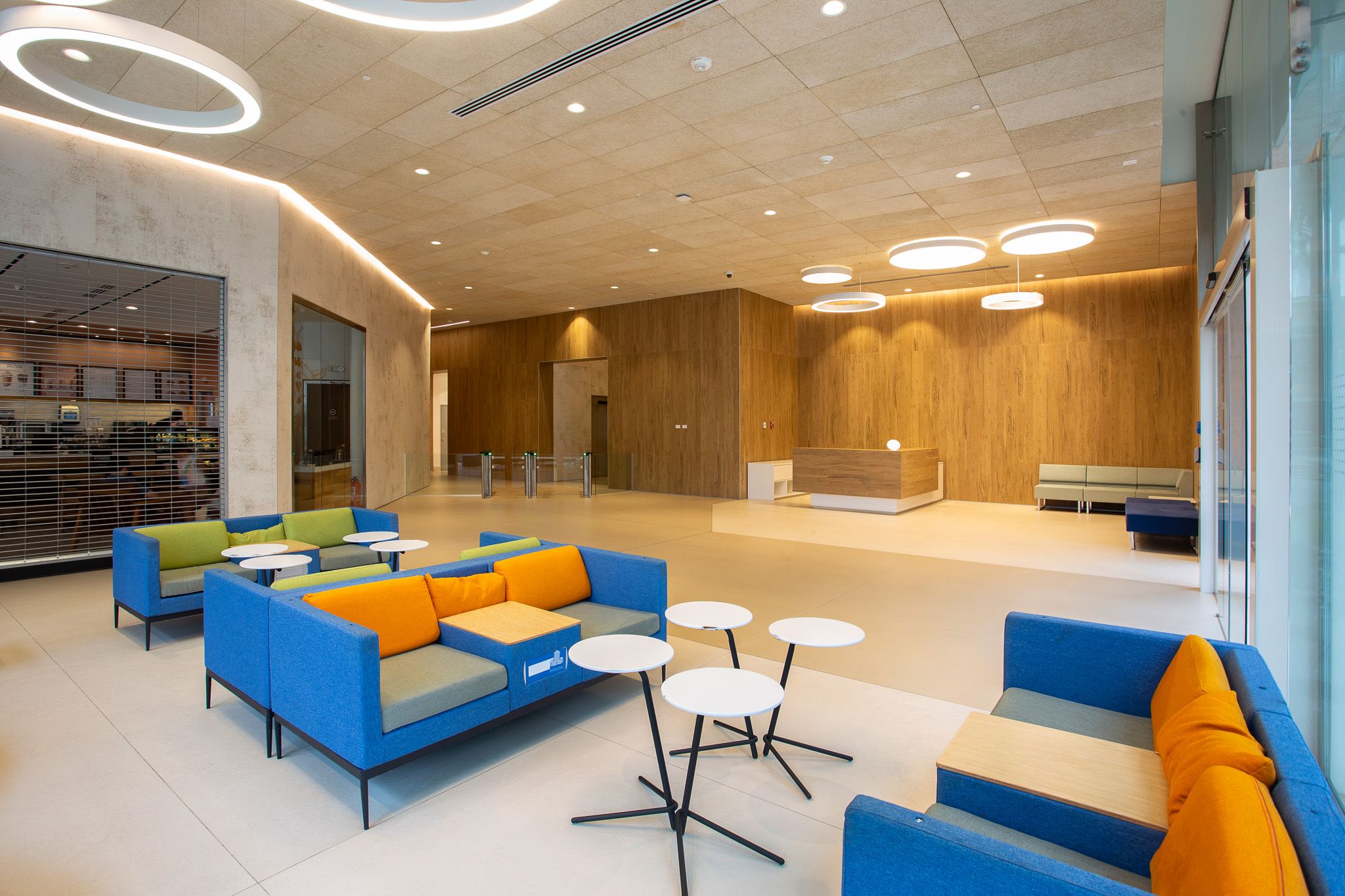
The Hybrid project illustrates how corporate architecture can be conceived through adaptability and strategic reading of the workplace.
Rather than responding to a single rigid office model, the project explores a spatial organization that allows:
- Coexistence of different work modes.
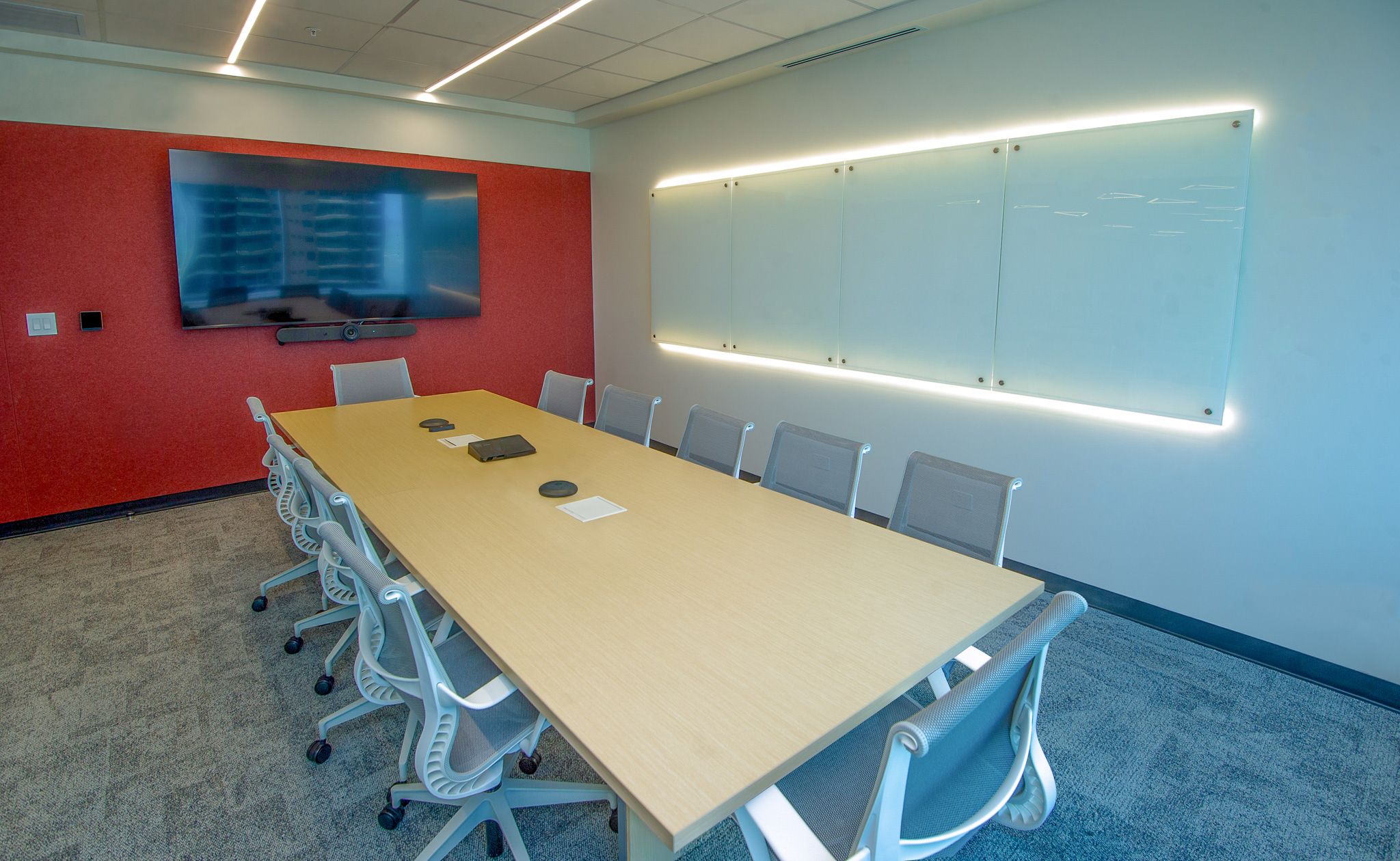
- Clear transitions between collaborative areas and spaces for focused work.
- The possibility of reconfiguration without major interventions.
This approach acknowledges that organizations are not static and that space must be able to adjust to different rhythms, teams, and needs over time.
Key Principles of Flexible Corporate Architecture
- Reconfigurable layouts
Designing floor plans that allow change without complex construction enables offices to evolve alongside the company. Furniture, partitions, and circulation should be conceived as systems, not isolated elements.
- Multi-purpose zones
Spaces capable of changing function according to needs reduce the pressure for constant physical expansion and make better use of available area.
- Infrastructure prepared for change
Flexibility is not only spatial. Electrical, technological, and HVAC systems must anticipate different occupancy and usage scenarios.
- Balance between identity and adaptability
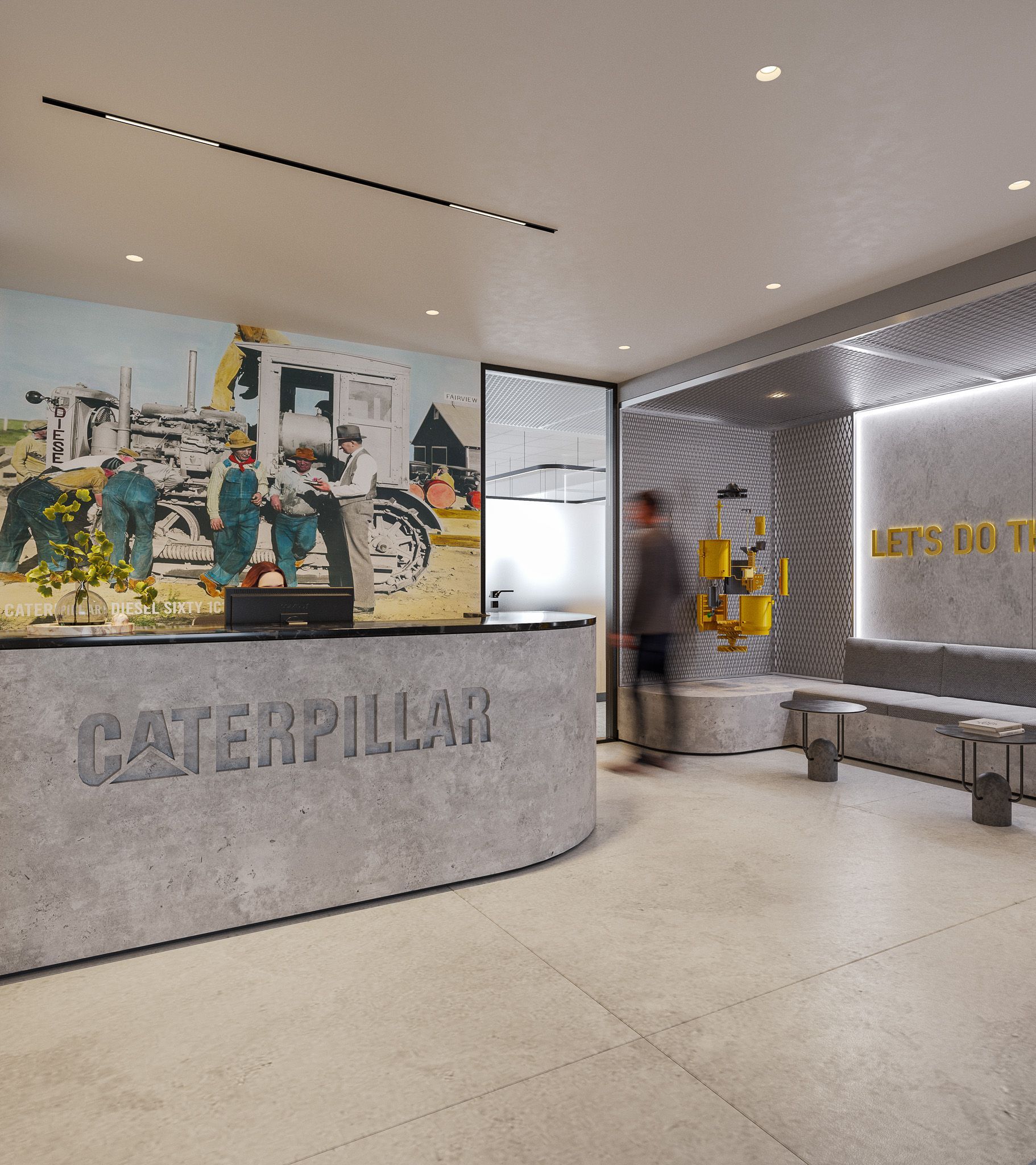
A flexible space does not lose its character. On the contrary, when design is clear, corporate identity remains intact even as the space transforms.
Flexibility as an Investment Strategy
From both a corporate and real estate perspective, flexibility is a way to mitigate risk. Offices designed for a single, fixed configuration tend to become obsolete quickly, forcing unplanned reinvestment.
An adaptable design allows organizations to:
- Support growth without immediate relocation.
- Respond to organizational changes at lower cost.
- Preserve the long-term value of the space.
In this sense, flexible corporate architecture is not an additional expense, but a strategic decision that protects investment and improves organizational resilience.
People, Space, and Continuous Evolution
Flexibility also has a direct impact on the employee experience. Spaces that adapt to real working dynamics promote comfort, better communication, and a stronger sense of belonging.
When teams feel that the space supports how they work, architecture stops being an obstacle and becomes a quiet ally in everyday performance.
Designing Offices for Constant Change
Contemporary corporate architecture can no longer be conceived as a closed solution. It must be understood as an open system, capable of evolving alongside the organization and its context.
Designing flexible offices means accepting that change is part of the business. And when space is prepared for that change, companies gain efficiency, clarity, and long-term vision.
Related News