Offices in Nature: Small, Healthy Workspaces with Potential to Attract Panama’s New Wave of Expats

Óscar Díaz Díaz
In a world that is more connected but also more demanding in terms of well-being, many professionals are embracing the freedom of remote work to make a crucial choice: leaving behind the urban bustle for the serenity of nature.
In Panama, this trend is gaining ground. Destinations like Playa Venao on the Azuero Peninsula or Boquete in the highlands are already attracting expats and digital nomads. The concept of small, healthy offices integrated into natural environments is emerging as an opportunity for Panama’s real estate, architectural, and coworking sectors.
Below, we explore why this phenomenon is growing, what drives it, how these architectural spaces should be designed, and what key recommendations can ensure their successful development in Panama.
The Rise of Remote Workers in Natural Environments in Panama
Panama has become one of the most appealing destinations in Latin America for remote workers and digital nomads. The country’s combination of infrastructure, favorable visa options, tropical climate, and rich natural settings creates an ideal scenario.
In Playa Venao, the expat community is notably young, with many working entirely online.
The area already features coworking and coliving spaces with solid connectivity for nomads, opening opportunities for outdoor workspaces integrated with nature.
Guides for digital nomads highlight Boquete and other natural regions as part of Panama’s appeal for expats seeking to blend work and lifestyle.
These indicators point to a growing demand for workspaces that are not only functional but also promote well-being, connection to nature, and community.
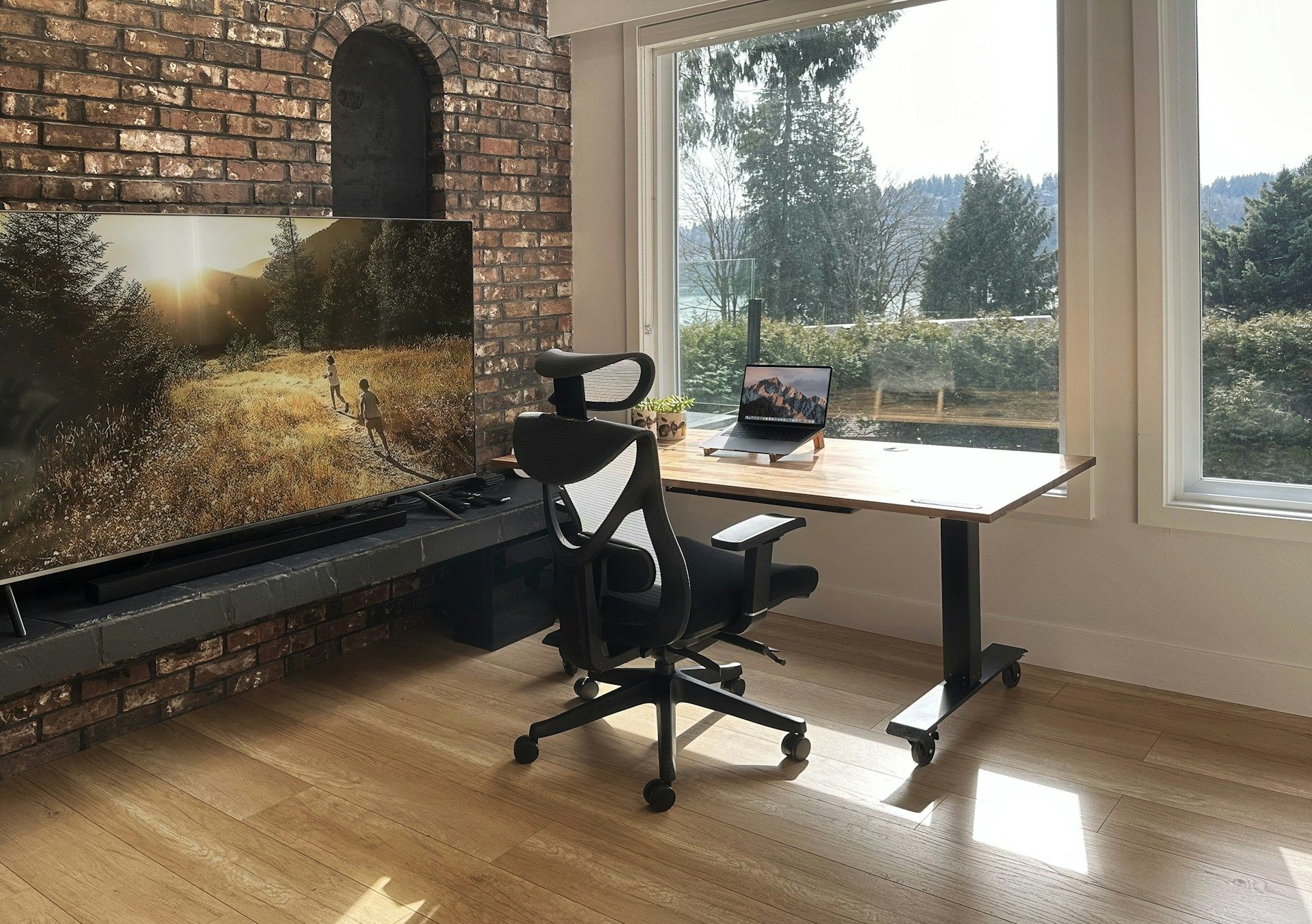
Why Small, Healthy Offices in Nature?
Well-being and Productivity
For decades, office design focused on efficiency and cost. Today, priorities have shifted toward spaces that foster physical and mental health, work-life balance, and creativity.
In natural environments, this translates to clean air, natural light, green views, cross-ventilation, reduced stress, and enhanced focus.
Attractiveness for Expats and Remote Professionals
Remote professionals value reliable connectivity, reasonable cost of living, accessible visas, pleasant surroundings, and community — all of which Panama offers: USD currency, decent infrastructure, tropical settings, and a welcoming visa policy.
A small office surrounded by nature can be a powerful differentiator for attracting remote workers who might otherwise remain in the city.
Scalable Workspaces
Compact offices or coworking studios in green settings allow greater flexibility, lower costs, and easier maintenance — perfectly suited for those who combine work with surf, hiking, or outdoor living.
Investment and Real Estate Opportunity
Developing small, nature-based coworking offices offers a competitive advantage. The expat and nomad market is fueling demand for spaces that blend work and lifestyle, creating new opportunities for architects, real estate developers, and local communities.
Architectural Design for Small Workspaces in Nature
Location
Ideal zones include Playa Venao, Pedasí, Boquete, and other coastal or mountain areas. They should offer reliable internet, accessibility for travelers, and a balance between nature and essential services — not too isolated to operate effectively as coworking hubs.
Size and Scale
Modest-sized spaces: small coworking lounges, private offices for 1–4 people, meeting rooms, and shaded outdoor work areas.
Focus on quality per square meter rather than size.
Integration with Nature
Large windows, terraces, shaded areas, and abundant greenery.
Local materials such as tropical wood, bamboo, or stone to blend with the environment and minimize construction impact.
Natural ventilation and bioclimatic design suited to Panama’s temperature and humidity conditions.
Technology and Connectivity
High-speed internet is non-negotiable for remote workers — Panama’s infrastructure is already solid, even in some rural areas.
Power backup and dual connections for remote locations.
Soundproof call booths, ergonomic furniture, and video meeting areas.
Flexibility and Community
Spaces for coworking or short-term rentals (hourly, daily, or weekly).
Community areas for networking, workshops, and social interaction — essential for digital nomads seeking both independence and connection.
Added amenities: coffee bar, shared kitchen, relaxation zones, and links to outdoor activities like surfing, yoga, or hiking.
Sustainability
Low-impact design should be a priority: natural lighting, local materials, solar panels, rainwater management, and waste reduction.
These offices are not just workplaces — they represent a conscious lifestyle, attracting a premium expat and nomad audience that values environmental harmony.
Case Studies and Trends in Panama
-
In Playa Venao, coworking and coliving spaces for remote nomads already thrive — with reliable fiber-optic internet as a key attraction.
-
Articles like “Fast Internet and Remote Work in Panama 2025” describe Venao as ideal for living near the ocean without disconnecting from work.
-
Boquete, a popular expat destination, also offers strong potential for mountain-based offices surrounded by greenery.
These examples show that demand for remote offices is not limited to urban areas — natural settings are becoming equally attractive for internationally mobile professionals.
Opportunities and Recommendations
-
Market research: analyze demand, price sensitivity, and expat preferences in each region.
-
Hybrid work-living design: combine office and relaxation areas for “workation” experiences.
-
Infrastructure: ensure reliable internet, power supply, and access to basic services.
-
Local partnerships: collaborate with real estate developers, tropical architects, and coworking providers.
-
International marketing: position spaces as “offices in nature” or “remote work hubs in tropical Panama.”
-
Wellness experience: integrate greenery, outdoor spaces, and community events to enhance the workspace appeal.
-
Flexible models: memberships, short-term rentals, and adaptable layouts for freelancers, startups, or small teams.
-
Sustainability: emphasize eco-friendly construction and wellness design as part of the brand identity.
By combining natural beauty, strong connectivity, and small-scale, well-designed workspaces, Panama can position itself as one of the world’s most appealing destinations for professionals who want to work remotely without compromising quality of life.
This new wave of expats seeking offices in nature represents not just a growing demand — but an invitation to rethink how and where we work in the post-urban era.
Related News