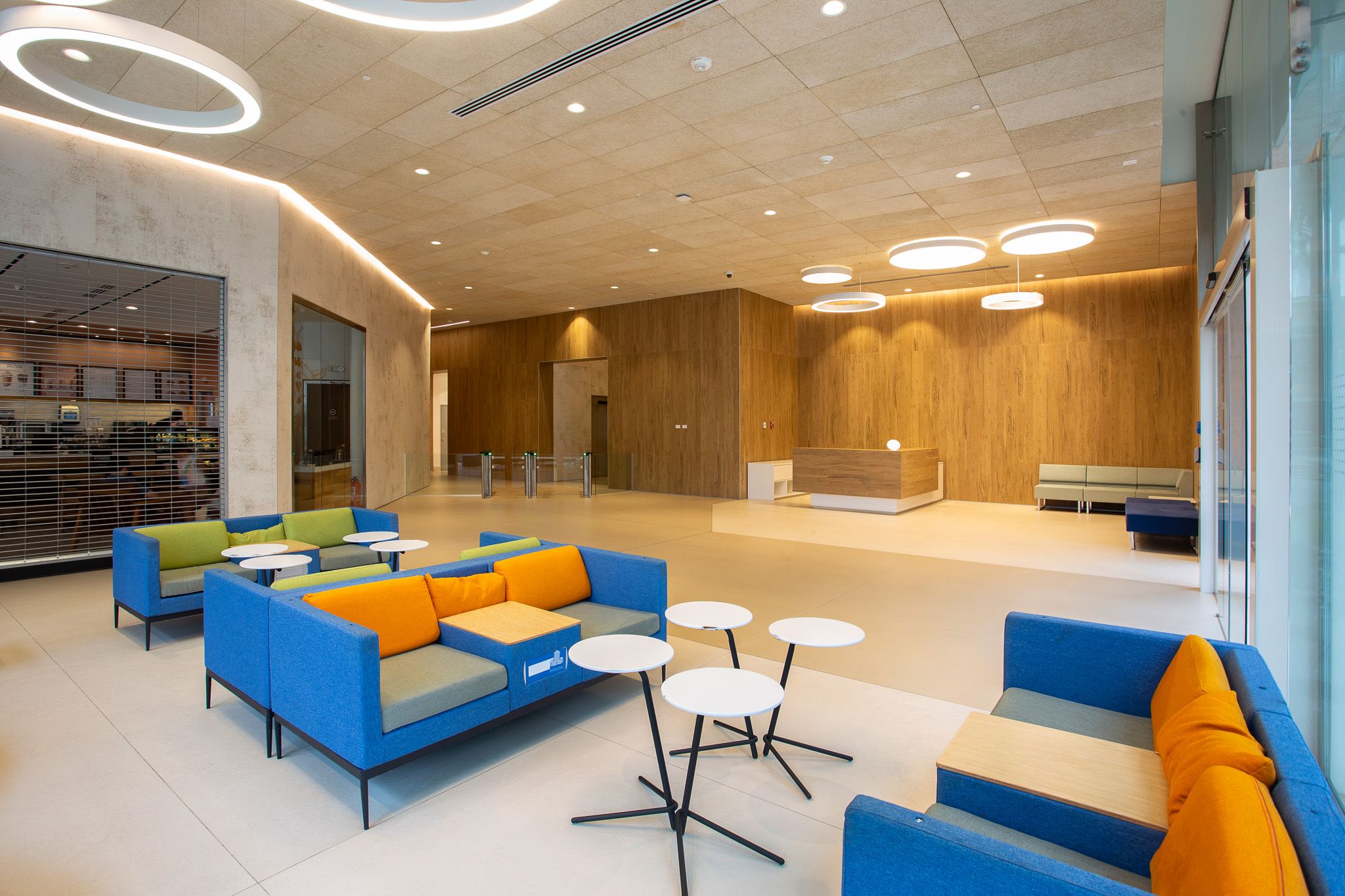
Bioclimatic Design in Tropical Climates

Óscar Díaz Díaz
Sustainable Architecture That Responds to Its Environment
In a global context where sustainability is no longer optional but essential, architecture must align with the climate, environment, and social needs. In tropical regions such as Panama, where humidity, solar radiation, and intense rainfall pose unique challenges, bioclimatic design becomes a fundamental tool for creating efficient, healthy, and environmentally responsive spaces.
DIAZ DIAZ has embraced this approach in several of its projects, focusing on passive solutions that reduce energy consumption and improve the quality of life for occupants. Through careful strategies involving orientation, ventilation, solar protection, and material selection, the studio shows that sustainable architecture in Panama is possible without sacrificing aesthetics or comfort.
What Is Bioclimatic Design?
Bioclimatic design leverages natural environmental conditions (sun, wind, rain, vegetation, temperature) to reduce the need for mechanical systems like air conditioning or artificial lighting. It’s not just an ecological trend—it’s a rigorous methodology based on climate analysis that translates into tangible architectural decisions.
In tropical climates like Panama’s, this means:
- Promoting cross ventilation to remove accumulated heat.
- Integrating overhangs, latticework, or sunshades to protect from direct sunlight.
- Using materials with low thermal inertia that cool down quickly.
- Designing shaded, breathable spaces.
These strategies not only reduce energy use but also increase thermal comfort and lower the environmental footprint of buildings.
Cerquita del Cielo: Living With the Climate, Not Against It
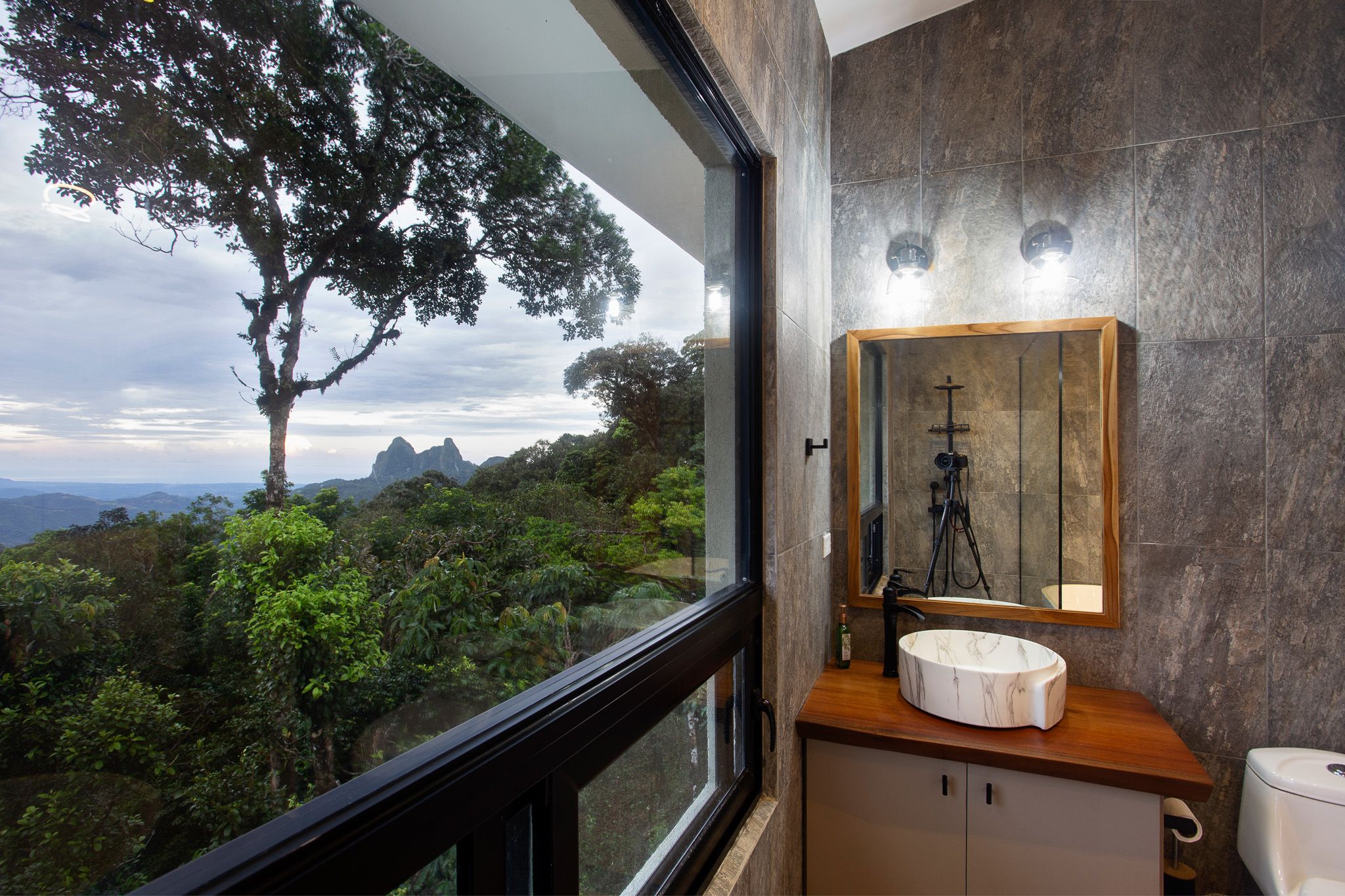
One of the projects that best exemplifies this approach is Cerquita del Cielo, a residential complex where design actively responds to the climate. Instead of sealing spaces and relying on artificial cooling, the project prioritizes openness, natural airflow, and a strong connection to the outdoors.
Key solutions include:
- Sloped roofs that aid water drainage and hot air circulation.
- Strategically placed windows to promote cross breezes.
- Lightweight materials that quickly dissipate heat.
- Transitional spaces like covered terraces that serve as thermal buffers.
Thanks to these decisions, the project not only achieves high levels of energy efficiency but also proposes a more mindful, serene way of living in harmony with nature.
Sustainable Offices: Functionality Meets Environmental Awareness
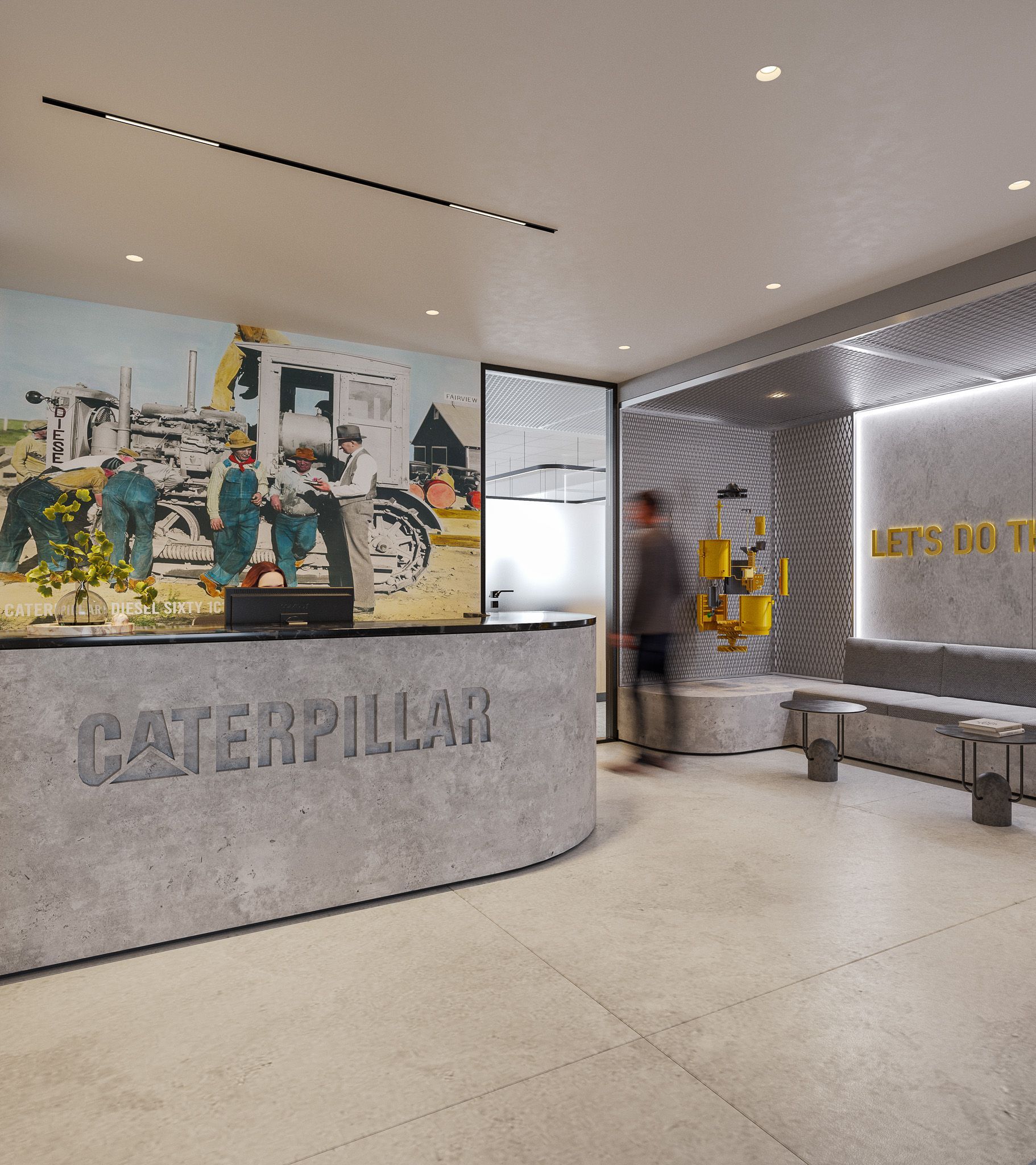
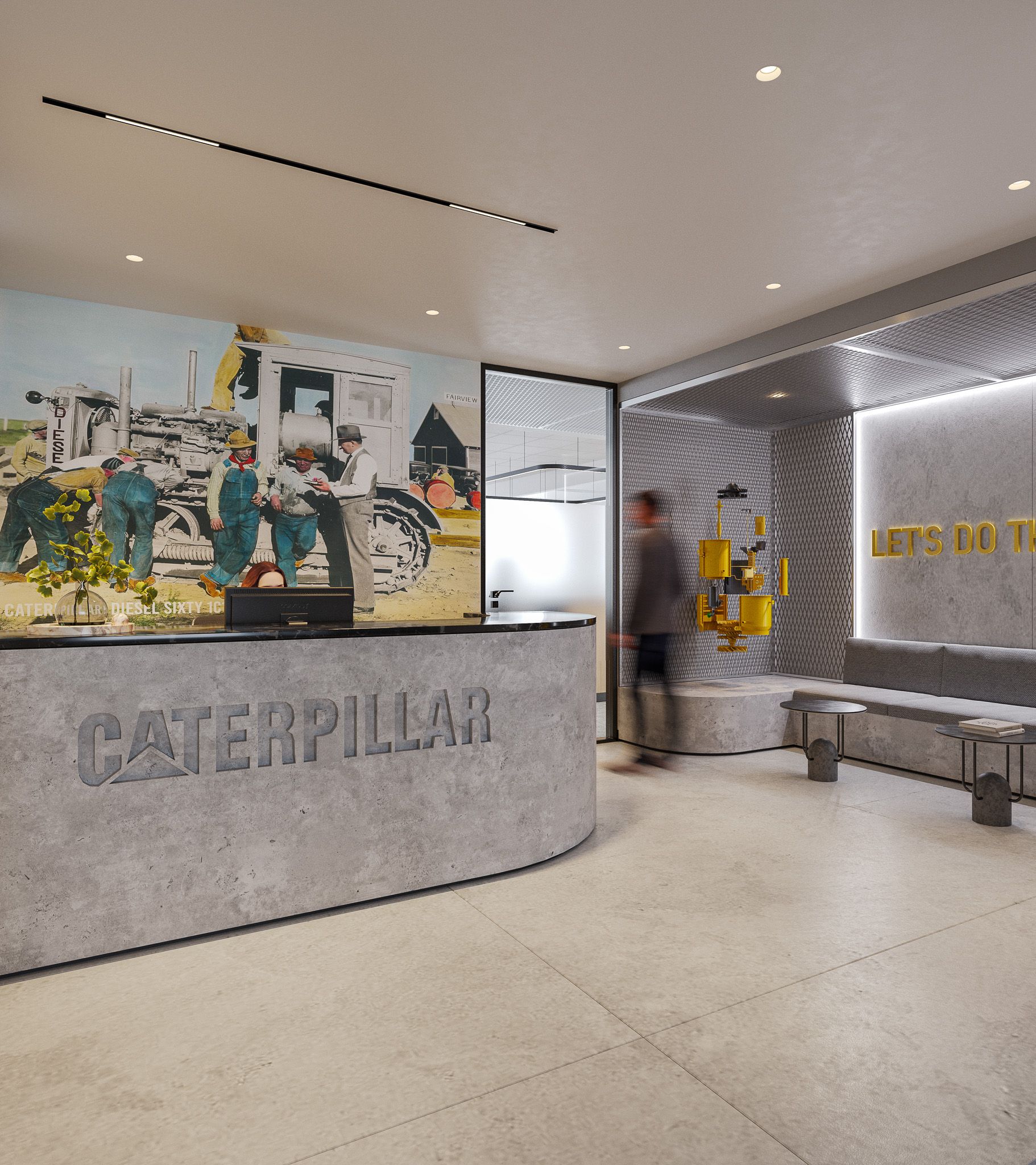
Beyond residential spaces, DIAZ DIAZ has also applied bioclimatic design principles in corporate offices. 21st-century workplace architecture demands more than functionality—it requires environmental coherence and operational efficiency.
In these types of projects, the studio has implemented:
- Ventilated façades to reduce heat transfer.
- Controlled natural lighting to avoid glare and thermal excess.
- Passive ventilation systems combined with efficient mechanical solutions.
- Integrated plant elements as thermal and visual filters.
The combination of intelligent design and passive technology allows the creation of healthier work environments that are less dependent on intensive energy resources.
Beyond Efficiency: Architecture With a Climate Ethic
Talking about tropical bioclimatic design isn’t just about energy performance. It’s an ethical stance in response to an urgent climate reality. In countries like Panama, where urban growth often ignores environmental conditions, sustainable architecture becomes an act of professional and social responsibility.
DIAZ DIAZ understands that every building is part of an ecosystem. Designing with climate intelligence not only enhances user experience but also actively contributes to reducing long-term environmental impact.
Conclusion
Energy efficiency isn’t exclusive to large infrastructure or reliant solely on advanced technology. Through conscious decisions, technical knowledge, and climate sensitivity, it’s possible to create spaces that interact with their surroundings, consume less, and deliver more.
Bioclimatic design is not a passing trend but a solid foundation for building the future of tropical architecture. DIAZ DIAZ proves this with facts, materials, and projects that speak the language of climate, sustainability, and innovation.
Related News